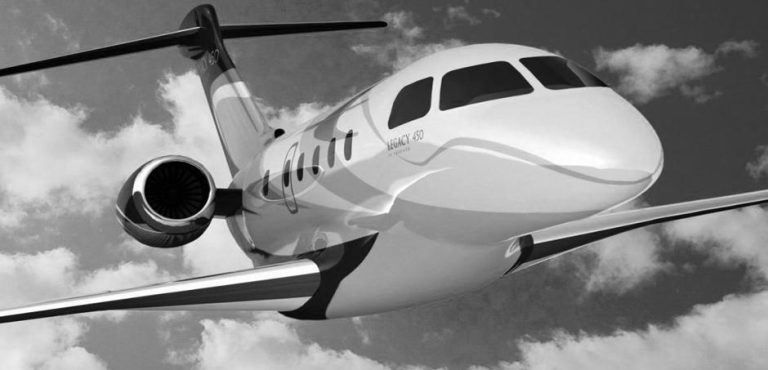
Private Jet PrivateJetia 003
Flying private is often associated with luxury, exclusivity, and convenience. For many, it’s the ultimate travel experience, offering a very uniqueed comfort, flexibility, and time-saving advantages. However, while the benefits of private aviation are well-known, there are hidden costs that can significantly affect the overall price tag of flying private. From maintenance and crew expenses to operational costs and regulatory fees, these factors can quickly add up, making private jet ownership or chartering a jet a much more expensive endeavor than it initially seems.
In this article, we will explore the hidden costs of flying private, providing insight into what you should know before you book your next flight. We’ll break down the various expenses that come with private jet travel, offering a comprehensive guide for both potential private jet owners and those considering private jet chartering. Whether you’re flying for business or leisure, understanding the full financial picture of private aviation can help you make more informed decisions and avoid unexpected surprises.
Meta Description
Discover the hidden costs of flying private, including maintenance, crew expenses, and regulatory fees. Learn what you should know before booking a private jet to avoid unexpected costs and make informed decisions.
Introduction: The Appeal of Private Jet Travel
The allure of private jet travel is undeniable. For business executives, celebrities, and those seeking luxury, private jets offer an exclusive, comfortable, and time-efficient way to travel. With no long security lines, crowded terminals, or flight delays, flying private provides a level of convenience that commercial flights simply cannot match.
However, this convenience comes at a price. While many people are aware of the obvious costs associated with private jet travel, such as the price of chartering a jet or the cost of purchasing one, there are a number of hidden expenses that often go unnoticed. These hidden costs can add a significant amount to the overall price of flying private, and understanding them is essential for anyone considering this mode of travel.
1. The True Cost of Private Jet Ownership
For those who decide to purchase a private jet, the costs of ownership can quickly escalate far beyond the initial purchase price. In addition to the obvious expenses, such as the cost of the aircraft itself, there are a number of ongoing maintenance, operational, and regulatory costs that owners must account for.
Purchase Price
The initial cost of purchasing a private jet can vary widely depending on the type of aircraft. A light jet may cost anywhere from $2 million to $8 million, while larger jets can range from $25 million to $65 million or more. This price tag represents the cost of the aircraft itself, and it is just the beginning.
Depreciation
Unlike other forms of property, private jets experience significant depreciation over time. The value of a jet can decrease by as much as 10% to 20% per year, which can be a hidden cost for owners. While jets are often seen as assets, the depreciation factor means that owners need to factor in the loss of value when calculating the true cost of owning a jet.
Maintenance and Repairs
Regular maintenance is essential to keeping a private jet in good working condition. The cost of maintenance can vary depending on the make and model of the aircraft, but it is generally a major ongoing expense. This includes both scheduled maintenance (such as inspections, engine overhauls, and system checks) and unscheduled repairs (such as fixing any mechanical issues that arise). On average, owners can expect to spend anywhere from $300,000 to $1 million annually on maintenance, depending on the jet’s size and usage.
Crew Expenses
Owning a private jet also means that you will need to hire and maintain a crew. This typically includes a pilot and co-pilot, flight attendants, and sometimes additional crew members for larger aircraft. Salaries for pilots can range from $75,000 to $150,000 annually, depending on experience and the type of aircraft, while flight attendants typically earn between $40,000 and $70,000 per year. For larger jets, additional crew members, such as engineers or ground staff, may also be necessary, further increasing costs.
Insurance
Private jet insurance is another hidden expense that owners must account for. The cost of insurance can vary depending on the aircraft’s value, usage, and the owner’s flight history. On average, owners can expect to pay between $50,000 and $150,000 per year for insurance coverage. Additionally, there are often premiums for specific types of coverage, such as liability insurance or hull insurance.
Storage and Hangar Fees
Storing a private jet requires a secure space, which is typically found in a private hangar. Rent for hangar space can range from $1,000 to $5,000 per month, depending on the location and size of the aircraft. In some high-demand areas, such as major airports or wealthy regions, hangar fees can be even higher. If the jet is based at an airport with limited hangar space, owners may also need to pay additional fees for aircraft parking.
2. Chartering a Private Jet: Hidden Costs You Should Know
While private jet ownership offers many benefits, it’s not the only option for those looking to fly privately. Chartering a private jet is another popular choice, especially for individuals or companies who fly infrequently. However, even chartering a private jet comes with hidden costs that can add up quickly.
Charter Rates
The cost of chartering a private jet can vary widely depending on the size of the aircraft, the distance of the flight, and the duration of the trip. Rates for chartering a light jet typically start at around $2,000 per hour, while larger jets can cost anywhere from $5,000 to $15,000 per hour or more. These rates can change depending on the availability of the aircraft, peak travel times, and specific operator pricing.
Empty Leg Flights
Empty leg flights occur when a jet is flying without passengers, either because it is returning to its base or on its way to pick up new passengers. While these flights can offer significant discounts (up to 75% off regular charter rates), they come with limitations. Empty leg flights are usually one-way trips, meaning that they don’t offer the flexibility of booking a round-trip flight. Additionally, the availability of empty leg flights is limited, and they are often scheduled with little notice, so they may not always align with your travel plans.
Fuel Surcharges
Fuel costs are one of the largest expenses associated with private jet travel, and charter companies often pass these costs on to passengers. Fuel surcharges can vary depending on the route, aircraft size, and fuel prices at the time of travel. Charter companies typically calculate fuel surcharges based on the length of the flight, with longer flights incurring higher surcharges. While these surcharges may not be part of the base price, they can significantly increase the overall cost of the trip.
Airport Fees
Private jet travelers are often required to use smaller, private airports or fixed-base operators (FBOs), which charge fees for services such as landing, parking, and ground handling. These fees can range from $500 to $5,000 or more, depending on the airport and the services provided. FBOs may also charge additional fees for amenities such as catering, refueling, and concierge services.
Catering and Amenities
Private jet passengers often expect a high level of luxury and comfort, and many charter companies offer customized catering and amenities as part of the service. While some of these services may be included in the base price, others can come with extra charges. Gourmet meals, premium beverages, and specialty services such as spa treatments or entertainment may increase the cost of your flight, especially on longer trips.
Landing and Handling Fees
Landing fees are charges imposed by airports when a private jet lands at their facility. These fees can range from $100 to several thousand dollars, depending on the airport and the aircraft type. In addition to landing fees, handling fees are charged for services such as baggage handling, crew assistance, and ground transportation. These fees can add several thousand dollars to the overall cost of the flight.
3. Regulatory and Compliance Costs
Flying private also involves a number of regulatory and compliance costs. These are often hidden expenses that can be easy to overlook but can significantly impact the overall cost of the trip.
Customs and Immigration Fees
When flying internationally, private jet travelers must go through customs and immigration procedures. While private jet passengers can bypass crowded commercial terminals, they still need to comply with customs regulations and pay any applicable fees. Customs fees can vary depending on the country and the type of aircraft, and they may include charges for customs inspections, documentation processing, and handling services.
Overflight Permits
For international flights, private jet operators often need to obtain overflight permits, which allow the aircraft to pass through the airspace of certain countries. These permits can take time to process and may come with associated costs, especially if the flight is traveling through multiple countries. The cost of overflight permits can range from a few hundred to several thousand dollars, depending on the route and the countries involved.
Environmental Fees
With growing concerns about the environmental impact of aviation, many countries and airports have started implementing environmental fees for private jet travel. These fees are designed to offset carbon emissions and reduce the environmental footprint of aviation. Depending on the route and the aircraft’s fuel efficiency, these fees can add hundreds or even thousands of dollars to the cost of a private jet flight.
Conclusion: Understanding the Hidden Costs of Private Jet Travel
While flying private offers many advantages, it’s important to be aware of the hidden costs that can significantly impact the overall price. Whether you’re considering purchasing a private jet or chartering one, understanding the full financial picture is crucial for making informed decisions. From ownership expenses like maintenance and crew salaries to charter costs such as fuel surcharges and airport fees, there are numerous factors that can increase the cost of private jet travel.
For those looking to fly privately without the long-term commitment of ownership, chartering a jet is often the more cost-effective option. However, even with chartering, there are hidden costs that can quickly add up, including empty leg fees, catering expenses, and landing charges.
Ultimately, flying private is a luxury that comes with a significant financial commitment. By being aware of the hidden costs involved, you can better prepare for the true expenses of private jet travel and make decisions that align with your budget and travel needs.