Private Jet PrivateJetia 007
In the world of private aviation, design plays a crucial role in creating an environment of luxury, comfort, and innovation. However, one often-overlooked aspect that influences private jet interiors is the broader world of architecture. Over the years, architectural trends have gradually found their way into the design of private jets, pushing the boundaries of luxury, functionality, and comfort in ways that were once unimaginable. Today, the influence of architecture on private jets is undeniable, shaping everything from the layout and materials used in the cabin to the technology and aesthetic choices that create a seamless, upscale flying experience.
In this article, we will delve into the ways architectural trends have revolutionized the design of private jets, providing an elevated travel experience for passengers. We will examine the key architectural influences that have been incorporated into the world of private jets, from the influence of minimalism and open spaces to sustainable design principles and high-tech innovations. By looking at the intersection of architecture and aviation, we can gain a deeper understanding of how these trends are shaping the future of air travel.
1. The Rise of Minimalism in Private Jet Design
One of the most prominent architectural trends influencing private jet interiors today is the rise of minimalism. In architecture, minimalism focuses on simplicity, clean lines, and a focus on essential elements without excess. This approach has translated seamlessly into the world of private jet design, where clean lines, uncluttered spaces, and a focus on functionality are key elements of the cabin layout.
Minimalist private jet interiors emphasize the use of space and efficiency, creating cabins that feel open and airy rather than cramped or cluttered. Designers are increasingly opting for sleek, modern finishes like polished metals, matte surfaces, and neutral color palettes that complement the minimalist aesthetic. The goal is to create an environment that promotes relaxation, clarity, and comfort without overwhelming the senses.
For example, rather than relying on traditional wall-mounted cabinets or overly ornate furnishings, minimalist jet interiors often feature built-in storage solutions that are streamlined and hidden from view. This creates a sense of openness and calm, which is important for passengers who seek a serene environment during their flights.
In addition, the incorporation of high-quality materials like natural wood veneers, leather, and stone adds a sense of luxury to the minimalist design while maintaining a sense of simplicity. The use of large windows and open layouts also enhances the feeling of spaciousness, allowing passengers to enjoy both the interior and the views outside.
2. Sustainable Design: Architectural Principles Meet Eco-Friendly Travel
As the world becomes increasingly aware of the need for sustainability, eco-friendly architecture has had a significant influence on private jet design. Sustainable materials, energy efficiency, and a focus on reducing the environmental impact of both the jet and its interior are now priorities for designers and private jet owners alike.
In architecture, sustainable design principles emphasize the use of renewable resources, energy-efficient systems, and eco-friendly construction methods. These principles have made their way into the design of private jets, where the goal is to reduce fuel consumption, minimize waste, and use materials that have a minimal environmental impact.
Many private jets now feature energy-efficient lighting systems, insulation that helps to maintain cabin temperature without excessive reliance on the jet’s climate control systems, and low-emission engines that reduce the aircraft’s carbon footprint. Moreover, designers are increasingly incorporating recycled and sustainable materials such as reclaimed wood, organic fabrics, and non-toxic finishes into the interiors of private jets.
The incorporation of green technologies into private jet design has also paved the way for innovations such as solar panels on the jet’s exterior, which help to power certain systems while the jet is on the ground, further reducing its environmental impact. By combining green architecture with sustainable aviation technologies, private jets are becoming not only more luxurious but also more eco-conscious.
3. Open and Flexible Spaces: Architectural Innovation for Cabin Layouts
One of the most notable influences of contemporary architecture on private jet design is the concept of open spaces. In architecture, open-plan designs have been a key trend for many years, as they promote a sense of freedom and allow for greater flexibility in how a space is used. This trend has made its way into the world of private jets, where designers are creating cabins that are not just functional but also adaptable to the needs of the passengers.
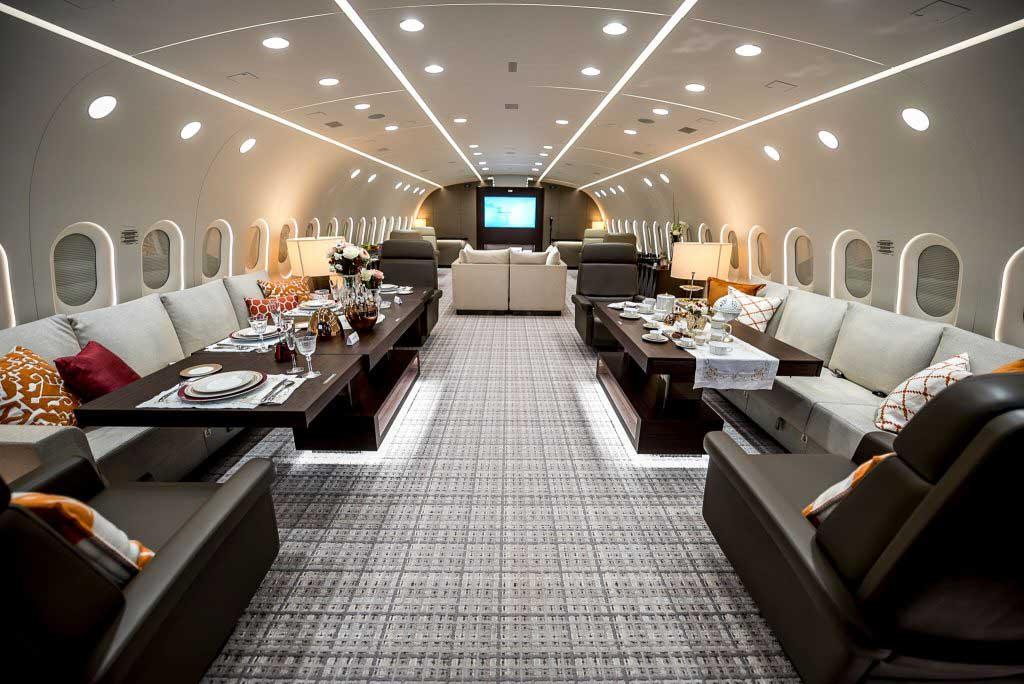
Rather than dividing the jet into separate rooms or compartments, many private jets now feature open-plan layouts that flow seamlessly from one space to the next. This includes larger, multi-purpose areas that can be transformed from lounges to dining rooms to meeting spaces, depending on the needs of the passengers. The flexible use of space ensures that the cabin can accommodate everything from business meetings to relaxation and entertainment.
The idea behind this open and adaptable design is to create a cabin environment that mirrors the way we live in modern homes and offices. Many private jets now feature moveable walls or modular furniture, allowing passengers to reconfigure the space to suit their preferences. For instance, seats can be adjusted to form a larger conversation area, or foldable tables can be brought out for a formal dinner.
In addition, floor-to-ceiling windows and skylights are often incorporated into these open designs, allowing for natural light to flood the interior and enhance the feeling of space. This architectural feature helps create an environment that is both visually stunning and relaxing, making the journey feel less like a mode of transportation and more like an extension of a luxurious home or office.
4. The Fusion of Technology and Design: High-Tech Innovation in Private Jets
Another architectural trend that has influenced the design of private jets is the increasing integration of technology. As smart homes and automated buildings become more common, the demand for smart technologies in private jets has skyrocketed. Today’s private jets are more than just flying vehicles; they are high-tech sanctuaries equipped with everything from advanced entertainment systems to smart climate control and interactive lighting.
Incorporating architectural principles of innovation, private jet designers are using cutting-edge technology to create seamless and intuitive experiences for passengers. Touchscreen controls, voice-activated systems, and wireless charging stations are just a few examples of how technology is enhancing the functionality and comfort of private jet interiors.
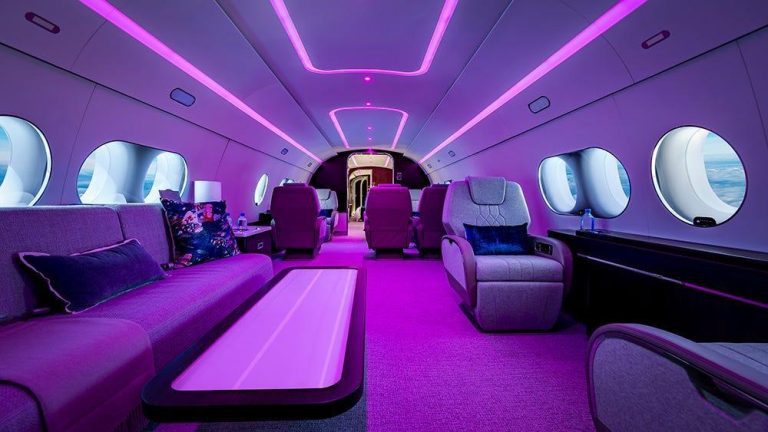
One area where this fusion of technology and design has had a significant impact is in the lighting and temperature control systems. Many private jets now feature smart lighting systems that can adjust to different moods or needs throughout the flight, whether for a business meeting, a relaxing break, or a night-time journey. Similarly, climate control systems can now be customized using advanced smart thermostats, allowing passengers to create the perfect environment for their comfort.
Furthermore, integrated entertainment systems, including high-definition screens, surround sound, and gaming systems, allow passengers to stay entertained during long flights. The inclusion of virtual reality or augmented reality experiences is also becoming increasingly common, offering new ways for passengers to engage with their surroundings while in the air.
5. The Influence of Biophilic Design in Private Jets
An emerging trend in both architecture and interior design is biophilic design, which focuses on bringing elements of nature into indoor spaces to create a sense of connection with the natural world. This approach has made its way into private jet design, where designers are incorporating natural elements such as plants, wooden accents, and natural stone into the cabin interiors.
The idea behind biophilic design is to create environments that promote well-being by fostering a sense of calm and connection with nature. This trend is particularly relevant in private jet design, where passengers often spend hours in a confined space and are looking for ways to make their journey as comfortable and stress-free as possible. By incorporating natural materials, living plants, and natural light, designers are creating environments that promote relaxation and mental clarity.
6. Conclusion: The Future of Jet Design and Architectural Influence
The influence of architectural trends on private jet design is undeniable, with innovations such as minimalism, sustainability, open spaces, technology integration, and biophilic design shaping the future of luxury air travel. As these architectural principles continue to evolve, we can expect private jets to become even more stylish, functional, and comfortable.
For private jet owners and designers, the goal is to create an environment that is not only luxurious but also reflective of the latest trends in architecture and design. As the line between architecture and aviation continues to blur, the future of private jet design will be shaped by a deeper understanding of how space, materials, and technology can work together to create the ultimate flying experience.