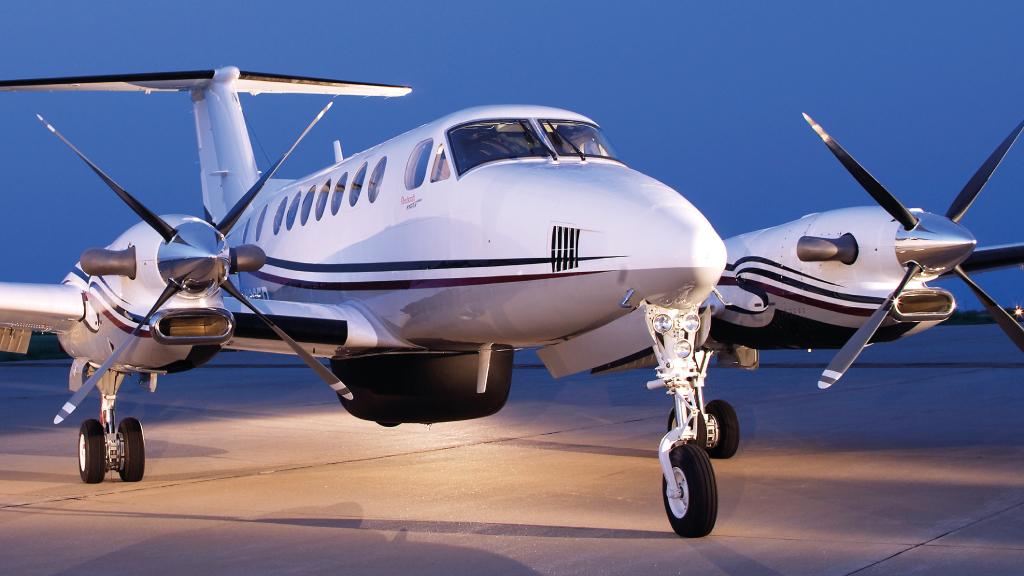
privatejetia private jet maintenance 13
Acquiring a private jet is more than just a purchase; it’s a well-thought-out investment decision that can provide luxury, comfort, and business efficiency. Whether you’re looking to use the jet for personal travel, corporate purposes, or even as an income-generating asset, the process involves a combination of strategic planning, market knowledge, and financial savvy.
In this insider’s creative guide, we’ll uncover proven tactics for successfully acquiring a private jet. From choosing the right aircraft and leveraging financing options to negotiating the best deals and understanding market trends, these expert insights will set you on the path to making a successful jet acquisition.
Step 1: Identify Your Objectives and Define Your Needs
The first and most crucial step in private jet acquisition is understanding why you need a jet and what you want it to deliver. Whether it’s business efficiency, luxury travel, or a combination of both, your objectives will drive every decision throughout the acquisition process.
Business Travel Efficiency
For corporate use, focus on jets that allow you to travel internationally or across long distances with ease. Jets such as the Gulfstream G650 or Bombardier Global 6000 are well-suited for executives and teams who need to maintain productivity on the move. Features such as advanced communication systems, large cabins, and comfortable seating for meetings are crucial.
Luxury and Personal Use
If you’re purchasing the jet for personal use, comfort and luxury become more important than functionality. Look for jets that offer amenities like fully reclining seats, spacious lounges, and well-appointed bathrooms. A super-midsize jet such as the Dassault Falcon 2000LXS or Gulfstream G280 might be ideal for those seeking both style and substance.
Revenue Generation Potential
If you’re considering using the jet as a revenue-generating asset, research options like chartering or fractional ownership to help offset costs. The charter market is robust, and private jets often fetch substantial fees when not in use. Choosing a popular model in high demand for charter services will allow you to maximize potential earnings.
Range and Passenger Capacity
Think about how often you’ll be flying and the number of passengers you’ll need to accommodate. If you’ll mostly be flying within a specific region, a light jet or midsize jet might suffice. For frequent long-haul flights, consider a heavy jet that can handle longer distances without refueling.
Step 2: Know the Private Jet Market and Aircraft Options
The private jet market is vast, offering a wide range of aircraft types and brands to choose from. The key to acquiring a private jet is understanding the available options and knowing which one best fits your requirements.
Light Jets
Light jets such as the Cessna Citation Mustang or Embraer Phenom 100 are ideal for those who need a cost-effective option for short-range travel. These jets are perfect for smaller groups (up to 6 passengers) and are often used for domestic flights, offering lower operating costs.
Pros: Affordable, efficient for short trips, low maintenance.
Cons: Limited range and passenger capacity, fewer amenities.
Midsize Jets
Midsize jets like the Hawker 800XP or Cessna Citation XLS are well-suited for those who require a balance of range and comfort. These jets typically accommodate 6 to 9 passengers, making them perfect for business or family trips that require more space and luxury features.
Pros: Increased range, larger cabins, better amenities.
Cons: Higher operational costs compared to light jets.
Super-Midsize Jets
If you need both luxury and efficiency for longer trips, a super-midsize jet like the Falcon 2000S or Challenger 350 offers a combination of impressive range, comfort, and technology. These jets offer significant performance benefits while providing a more affordable option than a heavy jet.
Pros: Spacious cabins, long-range, luxurious amenities.
Cons: More expensive than midsize jets, higher operational costs.
Heavy Jets
Heavy jets such as the Gulfstream G650 or Bombardier Global 7500 are built for long-haul flights, offering extensive range, maximum comfort, and top-tier luxury. These jets are suitable for business owners or executives who need to travel internationally or across continents with large teams.
Pros: Excellent range, luxurious interiors, large capacity.
Cons: High initial investment and operational costs.
Step 3: Work with an Aviation Broker or Consultant
Navigating the private jet market can be complex, which is why working with a professional aviation broker or consultant is a smart move. These experts provide invaluable insight into the market, and they can help you find jets that meet your needs while ensuring that you get the best possible deal.
Aviation Brokers
An aviation broker acts as an intermediary between buyers and sellers, often gaining access to off-market jets that may not be publicly listed. Brokers can help with price negotiation, offer expert advice on model selection, and guide you through the entire buying process.
Consultants and Advisors
A private jet consultant will offer specialized knowledge on financing, taxes, and resale value. They’ll also help ensure that the jet you’re considering is well-maintained, meets all your specific requirements, and aligns with your investment goals.
Legal and Financial Experts
Aviation purchases involve substantial financial and legal considerations, so having a team of legal and financial experts is crucial. Tax advisors can help structure the purchase for optimal tax benefits, while aviation lawyers ensure that the terms of the contract are clear and favorable.
Step 4: Assess Market Conditions and Timing
The market for private jets fluctuates, with prices rising and falling based on a variety of factors, including economic conditions, demand, and available inventory. Understanding market conditions will help you determine the best time to purchase a jet, ensuring you secure the best possible deal.
Buyer’s Market vs. Seller’s Market
In a buyer’s market, there are plenty of jets available for sale, and prices are often lower due to oversupply or lower demand. Conversely, in a seller’s market, demand outpaces supply, and prices tend to be higher. Understanding the market’s direction can give you the upper hand when negotiating.
Jet Depreciation and Resale Value
The value of a private jet depreciates over time, though some models hold their value better than others. Jets that are popular, well-maintained, and in high demand can be sold at a favorable price in the future. Research brand reputation, maintenance schedules, and market trends to identify which jets have the best resale potential.
Seasonality
Consider the seasonality of private jet sales when making your purchase. Some models may see a surge in popularity during peak seasons (e.g., ski trips in the winter or holiday travel), while others may be more affordable during off-peak times.
Step 5: Leverage Financing and Tax Advantages
A private jet is a significant investment, so understanding the financing and tax implications is essential. There are a variety of options available to fund your purchase, as well as tax advantages that can help offset some of the costs.
Aviation Financing
If you’re not buying the jet outright, aviation financing is a viable option. Special aircraft loans offer flexible terms and lower rates for buyers in the private aviation market. These loans take into account factors such as the value of the aircraft, the borrower’s credit, and the intended use of the jet.
Tax Benefits and Depreciation
In many jurisdictions, you can take advantage of tax incentives for business-related jet purchases. The tax benefits may include accelerated depreciation, which allows you to deduct the jet’s depreciation over time. Work with a tax advisor who specializes in aviation to determine how to structure the deal for maximum tax efficiency.
Fractional Ownership and Leasing
Fractional ownership is another option for jet buyers who want to reduce the upfront costs of ownership. Instead of purchasing the entire jet, you buy a share and gain access to the aircraft when needed. Leasing the jet for charter services when not in use is also a smart way to generate income and offset the costs of ownership.
Step 6: Negotiate the Deal and Close the Purchase
Once you’ve selected your jet, it’s time to enter the negotiation phase. Armed with your market research, financing plans, and expert advice, you can confidently negotiate a deal that works in your favor.
Negotiation Strategies
In a buyer’s market, leverage the abundance of available jets to negotiate a better price. Be prepared to walk away if the deal doesn’t meet your requirements. Ensure that all terms of the contract are clear, including price, delivery timelines, and any included amenities or aftermarket services.
Inspection and Appraisal
Before finalizing the deal, always have the jet thoroughly inspected and appraised. Hiring a qualified inspector ensures that the jet is in good condition and that no hidden defects will arise later. This step is critical, especially when purchasing pre-owned aircraft.
Finalizing the Purchase
Once the terms are agreed upon, work with your aviation lawyer to finalize the contract and make the transaction official. Ensure that all legal documentation is in order and that you understand your ownership rights and responsibilities.
Conclusion
Acquiring a private jet is a significant financial and personal commitment, but with the right approach, it
can be a highly rewarding investment. By following these proven tactics, from defining your goals to understanding market conditions and financing options, you can ensure a successful purchase that meets your needs and exceeds your expectations. With the right team of experts by your side, private jet ownership can provide you with luxury, flexibility, and a competitive edge in both your personal and professional life.


