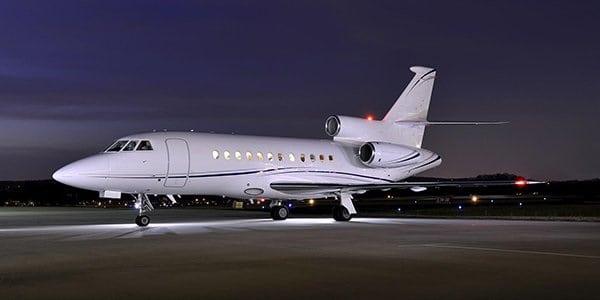
Luxury Travel Private Jet Privatejetia 8
The allure of owning a private jet is undeniable. From the luxury of flying in style to the efficiency and flexibility that comes with private travel, owning an aircraft provides an unparalleled experience. But for those looking to navigate the world of private jet deals, it’s not just about the purchase price. A successful transaction involves strategic planning, understanding the market, and leveraging insider knowledge to secure the best deals possible.
In this insider’s guide, we will take you through a creative roadmap that combines practical steps with expert insights, equipping you with the tools you need to make smart, cost-effective decisions when purchasing a private jet. Whether you’re a first-time buyer or an experienced aviation enthusiast, the following steps will help you achieve your goal of owning a jet while maximizing the value of your investment.
Step 1: Set Your Intentions and Priorities
The first step in the private jet acquisition process is determining your specific needs and setting clear intentions. This might sound like a simple step, but having a well-defined goal is critical when navigating the often complex and overwhelming world of private jet transactions.
- Purpose and Frequency of Use: Why do you need a jet? Are you purchasing it for business, personal use, or both? Your purpose will dictate the type of aircraft you need. For example, if you travel frequently for business, a larger jet with long-range capabilities will be more beneficial. However, if your usage is mostly for personal weekend trips, a smaller, light jet may suffice.
- Passenger Capacity: Understand the number of passengers you typically travel with. Some jets are designed to accommodate a small group (4-8 passengers), while others can seat 12 or more comfortably.
- Long-Term Considerations: Think about your long-term needs. Will your travel needs change in the future, or do you expect the aircraft to be used infrequently? Your decision may differ based on these factors, so keep the bigger picture in mind.
Being clear about your goals will help you narrow down your options and ensure that you make the best possible purchase.
Step 2: Financial Planning and Cost Management
Once you’ve identified your specific needs, it’s time to consider your financial capacity and create a budget. The costs associated with purchasing a private jet extend far beyond the initial purchase price, making it critical to plan ahead and manage costs effectively.
- Initial Purchase Cost: Depending on the type and model of the jet you choose, costs can range from a few million to tens of millions of dollars. For instance, small jets such as the Cessna Citation M2 can be purchased for approximately $5 million, while larger, high-end jets like the Gulfstream G650 may cost upwards of $70 million.
- Operating Expenses: Beyond the purchase price, private jet ownership comes with significant ongoing expenses. These include fuel, maintenance, insurance, hangar fees, and salaries for pilots and crew. Depending on the size and usage of the jet, operating costs can range from $500,000 to $3 million or more annually.
- Financing Options: While some buyers opt to pay for their jet outright, others prefer to finance the purchase. Financing a jet typically involves a down payment (usually 20-30%) and loan terms ranging from five to ten years. Alternatively, leasing may be an option for those who prefer lower upfront costs, but this does not result in ownership. Fractional ownership is another creative solution that allows multiple buyers to share the cost of an aircraft while retaining access.
- Tax Considerations: Be sure to consult with a tax professional who specializes in aviation. In some countries, jet owners may benefit from tax deductions related to business use, maintenance, and even depreciation. A strategic approach to taxes can offset some of the costs associated with owning a jet.
Step 3: Understand the Market and Find Your Deal
Now that you’ve established your financial parameters, the next step is to understand the private jet market. The private aviation industry operates differently from other markets, so gaining insight into current trends and knowing when to buy is crucial in securing a great deal.
- New vs. Pre-Owned: The decision between buying a new jet or a pre-owned one is one of the first that buyers must make. A brand-new jet comes with the latest technology and greater customization options, but it is significantly more expensive. On the other hand, a pre-owned jet can provide significant savings, but it may require additional maintenance and repairs. Prices for used jets typically range from 40% to 60% of the cost of a new jet, but the age, condition, and flight hours will impact the final price.
- Market Trends: The market for private jets fluctuates, just like any other luxury market. It’s important to monitor jet prices over time. Prices tend to dip during economic downturns and rise during times of high demand. Understanding these trends will allow you to make a purchase when prices are favorable.
- Timing Your Purchase: There are certain times of year when it’s more advantageous to buy a jet. For example, at the end of the year, manufacturers and sellers may be more willing to negotiate to meet sales targets or clear out inventory. Additionally, the months after major aviation trade shows, such as the NBAA Business Aviation Convention, may offer better pricing and a wider selection of aircraft.
- Use a Broker: Aviation brokers are experts in the field who can help you find the right jet at the right price. These professionals have access to a network of sellers and can often help you find off-market deals that are not publicly listed. Brokers can also assist in negotiating the price, ensuring that you get the best deal possible.
Step 4: Conduct a Thorough Inspection
Before finalizing any purchase, you must perform a comprehensive inspection of the jet. Even if you are buying a new jet, ensuring that everything is in perfect condition is essential to avoid unexpected maintenance costs down the line.
- Pre-Purchase Inspection: For pre-owned jets, a full pre-purchase inspection (PPI) is non-negotiable. A professional aircraft inspector will evaluate the jet’s airframe, engine, avionics, and overall condition. They will check for any signs of damage, wear, or previous repairs, and provide you with a detailed report on the aircraft’s status.
- Hire an Expert: An experienced aircraft inspector can identify potential problems that may not be immediately visible. If you are unfamiliar with aviation, it’s critical to hire an expert who specializes in jet inspections. Their advice and insights can save you from purchasing a jet with hidden issues that could lead to expensive repairs.
- Verify Maintenance History: For pre-owned jets, the maintenance history is a crucial factor to consider. Ensure that the jet has been regularly serviced according to manufacturer recommendations and that all repairs were performed by certified professionals. A well-maintained jet will give you peace of mind and avoid unexpected costs.
Step 5: Negotiate and Seal the Deal
Negotiating the purchase price is one of the most important steps in securing a private jet deal. Armed with knowledge about the market, the jet’s condition, and its maintenance history, you are in a strong position to negotiate.
- Understand the Seller’s Position: Knowing the motivations of the seller can help you negotiate effectively. For example, if the seller is looking to make a quick sale, they may be more willing to offer a discount. Similarly, if the jet has been on the market for a long time, the seller may be open to price reductions.
- Negotiate Beyond Price: The purchase price is not the only element that can be negotiated. You can also negotiate terms related to delivery dates, warranty coverage, maintenance, and even the inclusion of additional equipment or upgrades. Creativity in these areas can save you money and increase the value of your purchase.
- Finalizing the Purchase: Once you’ve agreed on a price, the final step is to sign the contract and complete the transaction. Ensure that all terms are clearly outlined in the contract, and don’t hesitate to ask for clarification on anything that seems unclear. You may want to work with a lawyer who specializes in aviation contracts to ensure that your interests are fully protected.
Step 6: Manage Your Jet and Optimize Its Use
Owning a private jet comes with ongoing responsibilities. To make the most of your investment, it’s essential to properly manage and maintain your aircraft.
- Aircraft Management Services: These companies can handle everything from scheduling and maintenance to staffing pilots and crew. They also ensure that your jet meets all regulatory requirements and is kept in optimal condition. Choosing the right management company can take a lot of the day-to-day hassle out of owning a jet.
- Maximize Your Investment: If you plan to offset the costs of ownership, chartering your jet when it’s not in use is a smart strategy. Many owners lease their jets to third parties, allowing them to generate income. Alternatively, fractional ownership can allow you to share the costs with others while still enjoying the benefits of ownership.
Conclusion: Mastering the Private Jet Deal
Securing a private jet deal requires more than just financial resources, it demands careful planning, research, and expert guidance. By following these proven steps, from setting clear intentions and assessing your budget to negotiating and sealing the deal, you will be in a strong position to secure the perfect jet for your needs.
Whether you’re looking for a personal jet for luxury travel or a business tool to increase your efficiency, taking the time to navigate the purchasing process thoughtfully will ensure that your investment pays off in the long run.
With the right approach, private jet ownership can elevate your lifestyle, enhance your productivity, and provide you with an unmatched travel experience.


