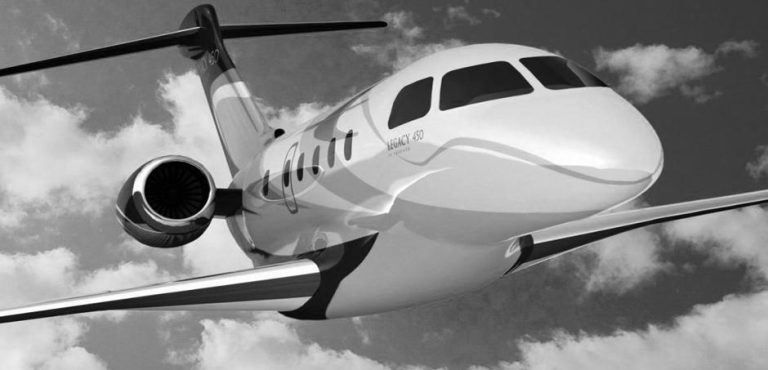
Private Jet PrivateJetia 070
The aviation industry is undergoing a significant transformation, driven by sustainability, innovation, and the demand for greener alternatives. One of the most exciting developments in this evolution is the rise of electric jets. While electric aircraft have long been a part of the conversation in commercial aviation, luxury aviation is now beginning to explore their potential. Electric jets promise to revolutionize private aviation by offering cleaner, quieter, and more cost-effective alternatives to traditional jet engines. This article will explore the potential of electric jets in luxury aviation, looking at their advantages, challenges, and the future of this groundbreaking technology.
Meta Description: Explore the potential of electric jets in luxury aviation, examining their benefits, challenges, and how they could reshape the future of private travel with sustainability, performance, and luxury.
The Growing Demand for Sustainable Aviation
As the world becomes more environmentally conscious, the aviation industry is under increasing pressure to reduce its carbon footprint. The private jet sector, often criticized for its high emissions, is no exception. While private aviation has traditionally been seen as a symbol of luxury and exclusivity, it is now also becoming a focal point for sustainability efforts. High-net-worth individuals (HNWI) who are accustomed to luxury are also becoming more aware of their environmental impact. This has created a demand for greener, more sustainable alternatives in the aviation sector.
Electric jets are emerging as one of the most promising solutions to this problem. Unlike their traditional jet counterparts, electric aircraft produce zero emissions during flight, offering a cleaner and more sustainable option for private travel. As battery technology improves, electric jets are becoming increasingly viable for long-distance travel, making them an attractive option for those looking to reduce their carbon footprint while still enjoying the luxury of private aviation.
Advantages of Electric Jets in Luxury Aviation
Electric jets offer numerous benefits to the luxury aviation industry, making them an attractive option for private jet owners and operators. These advantages extend beyond sustainability and environmental impact, encompassing performance, cost-efficiency, and passenger comfort.
1. Environmental Impact
The primary appeal of electric jets lies in their ability to significantly reduce the carbon emissions associated with air travel. Traditional jet engines rely on fossil fuels, which release harmful pollutants into the atmosphere. Electric jets, on the other hand, produce zero emissions during flight, making them a cleaner alternative for private aviation. This reduction in emissions is particularly important as governments and organizations around the world seek to meet ambitious climate goals.
By adopting electric jets, luxury aviation can play a key role in reducing the overall carbon footprint of the aviation industry. This shift is not only beneficial for the environment but also aligns with the growing demand for sustainable and eco-conscious travel options.
2. Lower Operating Costs
Operating costs are a significant factor for private jet owners. Traditional jet engines are expensive to maintain, with high fuel costs and frequent maintenance requirements. Electric jets, however, offer a more cost-effective solution. Since they rely on electric power rather than costly aviation fuel, electric jets can significantly reduce fuel expenses. Additionally, electric propulsion systems generally have fewer moving parts compared to traditional jet engines, resulting in lower maintenance costs over the long term.
For luxury jet owners, the potential for lower operating costs is an attractive feature. While the initial purchase price of an electric jet may be higher than that of a conventional jet, the reduced operating costs can make electric jets a more financially sustainable option over time.
3. Quieter Operation
Noise pollution is a growing concern in both urban and rural areas, and airports are no exception. Traditional jet engines are often loud, both during takeoff and landing, which can disturb local communities. Electric jets, however, are significantly quieter than their conventional counterparts. The absence of a combustion engine means that electric jets produce far less noise, creating a quieter and more peaceful flying experience.
For passengers, the quiet operation of electric jets translates to a more comfortable and relaxing environment. Additionally, the reduced noise levels make electric jets more compatible with noise regulations at airports, potentially allowing for greater access to more locations, including those in noise-sensitive areas.
4. Faster and More Efficient Technology
Electric propulsion systems are inherently more efficient than traditional jet engines. Unlike internal combustion engines, electric motors convert a higher percentage of energy into thrust, resulting in greater efficiency. This translates to longer flight ranges and faster speeds for electric jets, making them competitive with traditional jet engines in terms of performance.
Electric jets also benefit from a more streamlined and simplified design compared to traditional jets. With fewer moving parts and a more efficient energy conversion system, electric jets can achieve better overall performance, leading to smoother flights and higher levels of reliability.
5. Enhanced Passenger Comfort
Luxury aviation is all about providing an exceptional experience for passengers, and electric jets can elevate this experience in several ways. The absence of noisy engines allows for a quieter, more serene cabin environment. Additionally, the sleek and modern designs of electric jets offer a high level of comfort, with spacious cabins and customizable interiors that cater to the needs of high-net-worth individuals.
Electric jets are also expected to offer smoother rides, thanks to their more efficient propulsion systems and advanced aerodynamics. With less vibration and noise, passengers can enjoy a more comfortable and relaxing journey, whether they are traveling for business or leisure.
Challenges to the Widespread Adoption of Electric Jets
While the potential of electric jets in luxury aviation is exciting, there are several challenges that need to be addressed before they can become a mainstream option. These challenges primarily involve technology, infrastructure, and regulatory hurdles.
1. Battery Technology Limitations
One of the biggest hurdles for electric jets is the current limitations of battery technology. While electric motors are highly efficient, batteries are still relatively heavy and have limited energy density compared to traditional jet fuel. This limits the range of electric jets and restricts their ability to undertake long-haul flights. For luxury aviation, this means that electric jets are currently only viable for shorter regional flights.
However, significant advancements are being made in battery technology. Researchers are working on developing lighter, more powerful batteries with higher energy densities, which will increase the range and performance of electric jets. As battery technology improves, the potential for electric jets to compete with traditional jets for long-distance travel will increase.
2. Charging Infrastructure
Another challenge for electric jets is the lack of charging infrastructure at airports. Unlike traditional jets, which can refuel quickly at designated fueling stations, electric jets require specialized charging stations that can provide the necessary power to recharge their batteries. Building this infrastructure at airports around the world will be a significant investment and logistical challenge.
To address this issue, manufacturers and airport operators are exploring ways to integrate electric charging stations into existing airport infrastructure. Some airports are already starting to install charging stations for electric aircraft, but widespread adoption will require significant upgrades to airport facilities and a coordinated effort across the aviation industry.
3. Regulatory Approval
The adoption of electric jets in luxury aviation is also subject to regulatory approval. Governments and aviation authorities must ensure that electric jets meet safety standards and are capable of operating within existing air traffic control systems. Additionally, there may be challenges in terms of certification for electric propulsion systems, which have different operational characteristics compared to traditional jet engines.
Fortunately, progress is being made on this front as well. The Federal Aviation Administration (FAA) and other regulatory bodies are working with manufacturers to establish safety standards for electric aircraft. As more electric jets undergo testing and receive certification, the regulatory landscape will continue to evolve, allowing for greater adoption of this technology.
4. High Initial Costs
While electric jets offer lower operating costs in the long run, the initial purchase price of an electric jet can be significantly higher than that of a traditional jet. This is due to the cost of developing and manufacturing electric propulsion systems, as well as the need for specialized components and materials. For many luxury aviation customers, the high upfront costs of electric jets may be a barrier to entry.
However, as electric jet technology matures and production scales up, the cost of electric jets is expected to decrease. Additionally, the long-term savings in fuel and maintenance costs may make electric jets a more attractive option for high-net-worth individuals in the future.
The Future of Electric Jets in Luxury Aviation
Despite the challenges, the future of electric jets in luxury aviation looks promising. As technology continues to improve, electric jets will become increasingly viable for longer flights and more widespread use. Several leading companies in the aviation industry, such as Airbus, Boeing, and Lilium, are already working on electric jet prototypes, with plans for commercial production in the coming years.
The potential for electric jets in luxury aviation extends beyond just environmental benefits. These aircraft promise to offer faster, more efficient, and more comfortable travel experiences, while also providing an eco-friendly option for the growing number of environmentally conscious private jet owners. As electric propulsion systems become more advanced and infrastructure develops, electric jets could reshape the future of private aviation.
Conclusion
Electric jets represent a revolutionary shift in the future of luxury aviation. With their potential to reduce carbon emissions, lower operating costs, and enhance passenger comfort, electric jets are poised to become a major player in the aviation industry. While there are still challenges to overcome, such as battery limitations and charging infrastructure, the progress being made in electric propulsion technology is encouraging. As the demand for sustainable and luxurious travel options continues to grow, electric jets offer a glimpse into the future of private aviation, one that is cleaner, quieter, and more efficient than ever before.