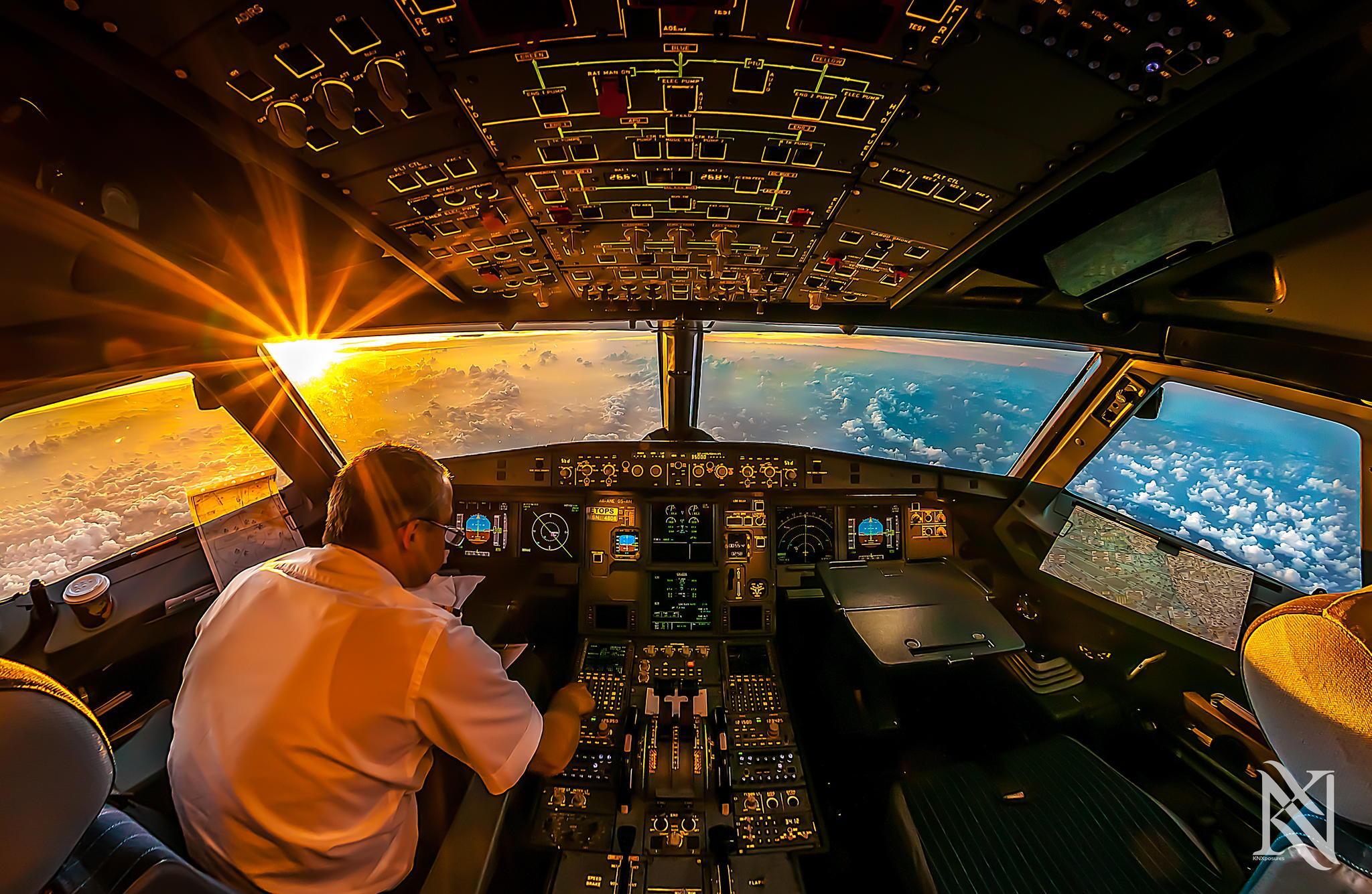
PrivateJetia Private Jet Fly 104
Private jet travel is synonymous with luxury, efficiency, and safety. Behind the scenes of every smooth flight is a highly trained pilot whose expertise ensures passenger comfort and security. The rigorous training process for private jet pilots is designed to develop both technical proficiency and exceptional decision-making skills. This in-depth guide explores the comprehensive training journey that private jet pilots undertake to meet the industry’s exacting standards.
Initial Certification: Building a Strong Foundation
Before aspiring pilots can specialize in private jets, they must obtain their initial certifications:
- Private Pilot License (PPL): The first step in a pilot’s career, this license allows individuals to operate small aircraft for non-commercial purposes. It focuses on fundamental skills such as takeoffs, landings, and basic navigation.
- Instrument Rating (IR): This certification enables pilots to fly under Instrument Flight Rules (IFR), which are essential for operating in low visibility conditions.
- Commercial Pilot License (CPL): Required for any pilot seeking to earn a living from flying, the CPL introduces advanced maneuvers and emphasizes safety protocols.
Specialized Training for Private Jets
Operating a private jet requires additional certifications and extensive training that goes beyond standard flight instruction. Key areas of focus include:
- Type Rating: Each private jet model has unique handling characteristics and avionics systems. Pilots must complete type-specific training and pass rigorous exams to earn this certification.
- High-Altitude Endorsement: Private jets often cruise at altitudes above 30,000 feet. Pilots receive training on pressurization systems, hypoxia awareness, and high-altitude aerodynamics.
- Crew Resource Management (CRM): Effective teamwork is essential in multi-pilot operations. CRM training enhances communication, decision-making, and problem-solving skills.
Advanced Simulator Training
Simulators play a critical role in pilot education, offering a safe environment to practice complex scenarios:
- Emergency Procedures: From engine failures to cabin depressurization, simulators allow pilots to rehearse responses to various emergencies.
- Adverse Weather Conditions: Pilots learn to navigate turbulence, thunderstorms, and icing conditions without risking passenger safety.
- System Failures: Training covers troubleshooting and managing malfunctions in avionics, hydraulics, and electrical systems.
Real-World Flight Experience
While simulators provide invaluable training, real-world experience is irreplaceable. Aspiring private jet pilots must log hundreds of flight hours to hone their skills. Key milestones include:
- Night Flying: Developing proficiency in low-light conditions and understanding nighttime navigation aids.
- Cross-Country Flights: Building expertise in long-distance flight planning, fuel management, and regulatory compliance.
- Diverse Environments: Gaining experience in varied terrains, altitudes, and weather conditions.
Safety-Centric Training
Safety is the cornerstone of private jet operations. Training programs prioritize:
- Risk Management: Pilots are taught to identify, assess, and mitigate risks effectively.
- Human Factors: Understanding the impact of fatigue, stress, and decision-making biases on flight performance.
- Regulatory Compliance: Adherence to aviation laws and guidelines set by authorities such as the FAA and ICAO.
Customer Service Excellence
Private jet pilots often interact directly with clients, making customer service a critical aspect of their training:
- Professionalism and Discretion: Pilots are trained to handle high-profile clients with utmost confidentiality and respect.
- Personalized Service: Understanding client preferences, from catering requests to cabin settings, enhances the passenger experience.
- Flexibility: Accommodating last-minute schedule changes and ensuring seamless travel arrangements.
Continuous Learning and Recertification
The aviation industry evolves rapidly, necessitating ongoing education for private jet pilots:
- Annual Refresher Courses: Pilots attend workshops and simulator sessions to stay updated on best practices.
- Technology Integration: Familiarity with emerging avionics, automation, and data analysis tools is essential.
- Medical Assessments: Regular health checkups ensure pilots are physically and mentally fit for duty.
Global Operations Training
Private jet pilots often operate internationally, requiring expertise in:
- Cross-Border Regulations: Understanding customs, immigration, and airspace restrictions in different countries.
- Cultural Sensitivity: Adapting to diverse client expectations and local customs.
- Language Proficiency: Effective communication with global air traffic control authorities.
The Role of Mentorship
Many aspiring private jet pilots benefit from mentorship programs that pair them with experienced captains. Mentors provide:
- Guidance on Career Development: Insights into industry trends and professional growth opportunities.
- Practical Advice: Tips for handling challenging situations, both in the air and on the ground.
- Networking Opportunities: Connections within the private aviation community.
Challenges in Private Jet Pilot Training
Becoming a private jet pilot is not without its challenges:
- High Costs: Training programs and type ratings can be expensive, requiring a significant financial commitment.
- Demanding Schedules: Pilots must balance intensive training with personal and professional obligations.
- Stringent Standards: The industry’s focus on excellence leaves little room for error.
Conclusion
The rigorous training process for private jet pilots ensures they are equipped to handle the unique demands of luxury air travel. From mastering complex avionics to delivering exceptional customer service, their skills are a testament to the industry’s commitment to safety and quality. As private aviation continues to grow, the dedication and expertise of its pilots remain at the heart of its success.



1 thought on “The Rigorous Training Process for Private Jet Pilots”