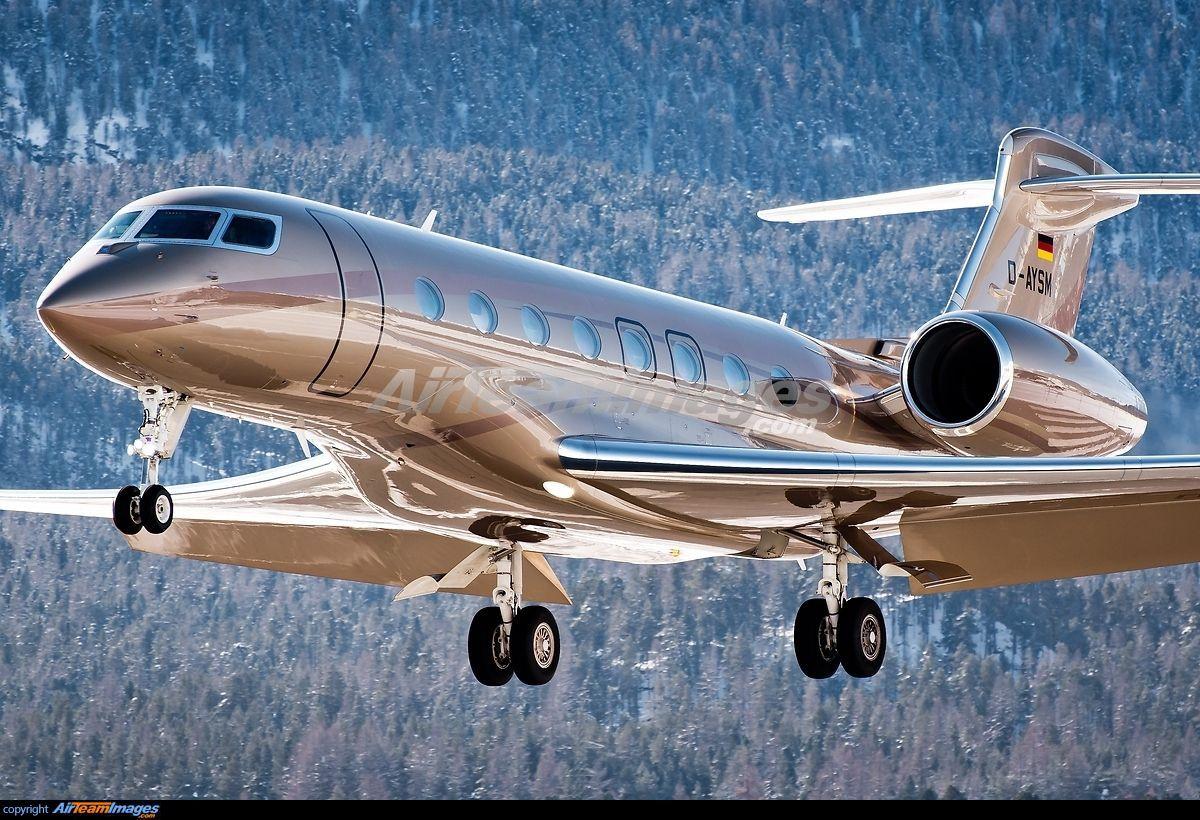
Private Jet PrivateJetia 046
Climate change is intensifying natural disasters and disrupting ecosystems, posing a significant challenge for remote areas. These regions often lack the infrastructure and resources necessary to respond effectively to extreme weather events, supply chain disruptions, and humanitarian crises. Private jets, traditionally associated with luxury, are emerging as a vital tool in climate adaptation strategies for these underserved communities. This article explores the pivotal role private jets play in mitigating climate impacts, delivering aid, and fostering resilience in remote areas.
Understanding Climate Adaptation in Remote Areas
Climate adaptation involves adjusting practices, systems, and infrastructure to reduce the negative effects of climate change. For remote areas, this often includes ensuring reliable access to essential goods, medical supplies, and emergency services. Given their isolation, these regions face unique vulnerabilities that demand innovative solutions, and private aviation is stepping up to meet these challenges.
Remote areas are particularly affected by:
- Extreme Weather Events: Increased frequency of hurricanes, floods, and droughts disrupt transportation and supply chains.
- Limited Infrastructure: Many of these areas lack reliable roads, railways, or airports, making traditional logistics nearly impossible.
- Healthcare Access: Isolated regions often struggle with inadequate medical facilities and delayed emergency response times.
The Advantages of Private Jets in Climate Adaptation
Private jets offer unique capabilities that make them indispensable for addressing the challenges faced by remote areas:
- Rapid Deployment Private jets can be mobilized quickly, ensuring immediate response during emergencies. Their ability to take off from smaller runways or unpaved airstrips allows them to reach areas inaccessible to commercial flights.
- Customizable Payloads Private aircraft can be configured to carry a variety of cargo, from medical supplies and food to specialized equipment like solar panels or water purification systems.
- Flexible Routes Unlike commercial airlines, private jets can bypass congested airspace and adapt their flight paths to changing weather conditions, ensuring timely delivery of aid.
- Minimal Ground Infrastructure Requirements Many private jets are equipped to land on short or rugged runways, reducing the need for extensive ground infrastructure and enabling access to remote communities.
Case Studies: Private Jets in Action
Several real-world examples highlight how private jets have been instrumental in climate adaptation efforts:
- Disaster Relief in the Bahamas Following Hurricane Dorian in 2019, private jets were among the first to deliver critical supplies and evacuate survivors. Their speed and flexibility allowed aid to reach isolated islands that were cut off from traditional supply routes.
- Medical Missions in Sub-Saharan Africa Private aviation companies have partnered with non-profits to transport medical teams and life-saving vaccines to remote villages, combating diseases like malaria and polio.
- Wildfire Response in Australia During the 2020 bushfire crisis, private jets were used to transport firefighters, equipment, and emergency personnel to affected areas, bypassing damaged roads and infrastructure.
Innovations in Sustainable Private Aviation
While private jets are a powerful tool for climate adaptation, their environmental impact has been a point of concern. The aviation industry is addressing these challenges by adopting sustainable practices:
- Sustainable Aviation Fuel (SAF) SAF reduces carbon emissions by up to 80% compared to traditional jet fuel. Increasing adoption of SAF is making private aviation more eco-friendly.
- Electric and Hybrid Aircraft Companies are developing electric and hybrid private jets, which promise to significantly lower greenhouse gas emissions and operating costs.
- Carbon Offset Programs Many private jet operators now offer carbon offset programs, allowing clients to invest in renewable energy projects or reforestation initiatives to balance their emissions.
Challenges and Solutions
Despite their advantages, the use of private jets for climate adaptation faces several challenges:
- High Operational Costs Solution: Governments and NGOs can establish partnerships with private jet operators to subsidize costs and prioritize humanitarian missions.
- Limited Awareness Solution: Increased advocacy and case studies can highlight the benefits of private aviation in climate adaptation, encouraging broader support.
- Environmental Concerns Solution: Continued investment in sustainable aviation technologies will reduce the environmental footprint of private jets, aligning them with global climate goals.
The Future of Private Jets in Climate Adaptation
The role of private jets in climate adaptation is expected to expand as technology advances and awareness grows. Future developments may include:
- AI-Driven Flight Optimization Artificial intelligence can optimize flight paths to minimize fuel consumption and reduce delays, enhancing the efficiency of private jet operations.
- Increased Collaboration with Governments and NGOs Collaborative efforts will ensure that private aviation resources are utilized effectively for disaster response and long-term adaptation projects.
- Integration with Renewable Energy Systems Private jets could play a role in transporting components for renewable energy installations, such as wind turbines or solar panels, to remote areas.
Conclusion
Private jets are more than a symbol of luxury; they are a vital resource in the fight against climate change, particularly for remote areas. Their speed, flexibility, and ability to navigate challenging environments make them indispensable for delivering aid, supporting infrastructure development, and responding to emergencies. By embracing sustainable innovations and fostering partnerships, private aviation can play a transformative role in building resilience and ensuring a safer future for vulnerable communities.