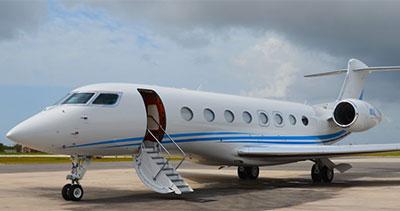
Buying a private jet is a significant investment, and securing the right deal requires a mix of strategic thinking, market insight, and expert negotiation skills. With numerous variables at play, from pricing and financing options to market trends and aircraft models, it’s easy to feel overwhelmed. However, with the right approach, you can successfully navigate the private jet market and secure the perfect aircraft at a favorable price.
This ultimate guide will provide you with a step-by-step strategy for finding and negotiating private jet deals. Whether you’re purchasing your first jet or upgrading your existing fleet, these creative tips and expert strategies will help you make smart decisions and get the best value for your investment.
1. Define Your Needs: Clarify What You’re Looking For
Before embarking on the search for your dream jet, it’s crucial to clearly define your specific needs. The private jet market is filled with a wide variety of models, and understanding your requirements will guide you to the perfect fit.
- Purpose and Usage:
Do you plan to use your jet for business travel, personal use, or a mix of both? Your answer will help determine the size, range, and features of the jet. For example, a light jet may be sufficient for short, domestic flights, while a large, long-range jet would be better for international travel. - Passenger Capacity:
Think about the number of passengers you typically travel with. If you often travel with a team or family, you’ll need a jet with more seating and cabin space. Ensure that the aircraft’s interior meets your comfort needs, offering everything from luxury seating to private bedrooms and meeting spaces. - Flight Range:
If your travel is international, look for jets with long-range capabilities. A jet with a range of over 5,000 nautical miles will allow you to fly from New York to Europe or Asia without the need for refueling. - Performance and Efficiency:
Consider the jet’s fuel efficiency, speed, and reliability. Advanced avionics and efficient engine technology can make a significant difference in both cost and performance.
By clearly defining your needs, you will be able to narrow down your choices and focus your efforts on finding the right jet.
2. Research the Market: Understand Pricing and Trends
The private jet market can be complex and unpredictable. Understanding the current market conditions and pricing trends will put you in a stronger position when it comes to negotiating a deal.
- New vs. Pre-Owned Jets:
A key decision when buying a private jet is whether to opt for a new or pre-owned aircraft. New jets come with the latest features, technologies, and warranties, but they also come at a premium price. Pre-owned jets can offer significant savings but may require more due diligence to assess their condition and maintenance history. The market for pre-owned jets is often highly dynamic, with pricing fluctuations based on supply and demand, the age of the aircraft, and its condition. - Market Conditions:
Like any other luxury market, the private jet industry is influenced by broader economic conditions. During periods of economic growth, jet prices may increase due to higher demand. On the other hand, during economic downturns, there may be more bargain opportunities as sellers seek to offload aircraft. - Depreciation Trends:
Like any vehicle, private jets depreciate over time. However, some brands and models retain their value better than others. Jets from well-known manufacturers such as Gulfstream, Bombardier, and Dassault tend to have better resale values. When searching for a deal, consider how much the jet will be worth when you decide to sell or upgrade.
Understanding these market dynamics will help you make informed decisions when comparing prices and jet models.
3. Work with Experts: Use Brokers and Consultants
Navigating the private jet market can be challenging, especially if you’re new to aircraft acquisitions. One of the most effective ways to secure a great deal is by working with professionals who specialize in private jet transactions.
- Private Jet Brokers:
A private jet broker serves as an intermediary between buyers and sellers, helping you find the best deals and negotiate the terms. Brokers have extensive market knowledge and access to off-market listings, which can give you an edge over other buyers. They also handle much of the paperwork and logistics, making the process smoother and more efficient. - Aviation Consultants:
An aviation consultant can provide tailored advice to help you make the best purchase decision. Whether you need assistance with selecting the right aircraft, evaluating the aircraft’s performance, or determining financing options, a consultant’s expertise is invaluable. - Legal and Financial Advisors:
Don’t overlook the importance of having a legal advisor to review contracts and ensure compliance with all regulations. Additionally, a financial advisor can help you structure the deal in the most tax-efficient way and assist with any financing or leasing options.
Having the right team of experts on your side can save you time, money, and potential headaches.
4. Negotiate the Deal: Maximize Your Value
Once you’ve found the jet that meets your needs, it’s time to negotiate the deal. Negotiation is where the real opportunity to secure a great deal lies.
- Price Negotiation:
Jet prices are often negotiable, especially for pre-owned aircraft. The listed price may not be the final price, so it’s essential to have the ability to negotiate. Be prepared to present comparative pricing, market trends, and inspection reports to back up your position. - Add-Ons and Extras:
When negotiating the deal, don’t just focus on the purchase price. Consider negotiating for upgrades to the interior, extended warranties, maintenance packages, or pilot training. These extras can enhance the overall value of the purchase and help you save on costs down the line. - Financing and Lease Terms:
If you plan to finance the purchase, ensure you’re getting the best terms. Interest rates, loan terms, and down payments can vary significantly depending on the lender and your credit profile. Additionally, explore lease options if you’re looking to preserve cash flow and avoid ownership commitments. - Maintenance and Insurance:
Negotiate maintenance schedules and insurance coverage as part of the deal. Ensure that the aircraft is covered by a warranty or service plan that will reduce your ongoing operating costs. Ask about maintenance history to get a clearer picture of the aircraft’s condition and potential future expenses.
Negotiating on these various aspects will ensure that you get the most value for your money and avoid hidden costs in the future.
5. Conduct a Thorough Inspection: Protect Your Investment
Before finalizing the deal, it’s critical to conduct a comprehensive inspection of the jet to ensure it meets your expectations. This includes examining the aircraft’s physical condition, maintenance records, and operational history.
- Aircraft Inspection:
Hire a professional to inspect the aircraft. They will look for signs of wear and tear, corrosion, and other issues that could affect performance and safety. The inspection should cover both the exterior and the interior, including avionics systems, engines, and structural components. - Maintenance Records:
Review the jet’s maintenance history to ensure that it has been well-maintained. A jet that has been regularly serviced and kept in optimal condition will be more reliable and cost-effective in the long run. - Flight Test:
If possible, arrange for a flight test to evaluate the jet’s performance. This will give you a firsthand experience of its handling, comfort, and operational efficiency.
By conducting thorough due diligence, you can avoid making a purchase that may end up costing you more than anticipated in repairs or maintenance.
Conclusion
Buying a private jet is a significant financial commitment, but with the right strategies in place, you can secure a deal that meets your needs, budget, and long-term goals. By clearly defining your requirements, understanding the market, working with experts, negotiating wisely, and conducting thorough inspections, you’ll be well-equipped to make a smart, informed decision. Whether you’re purchasing a new jet or an experienced pre-owned model, these creative strategies will help you find the perfect aircraft at the best possible price.