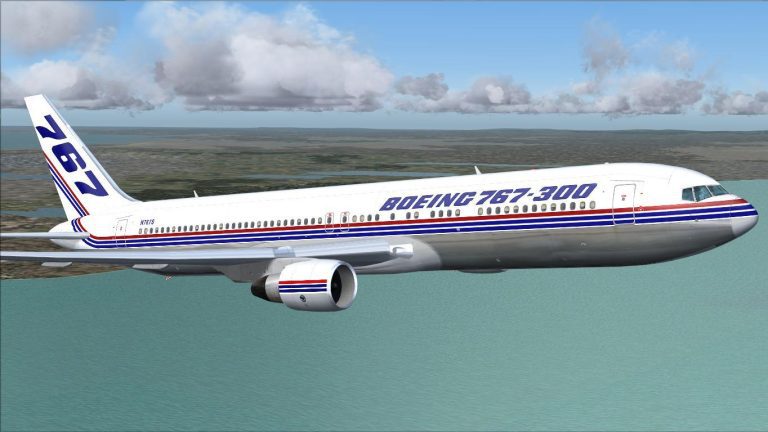
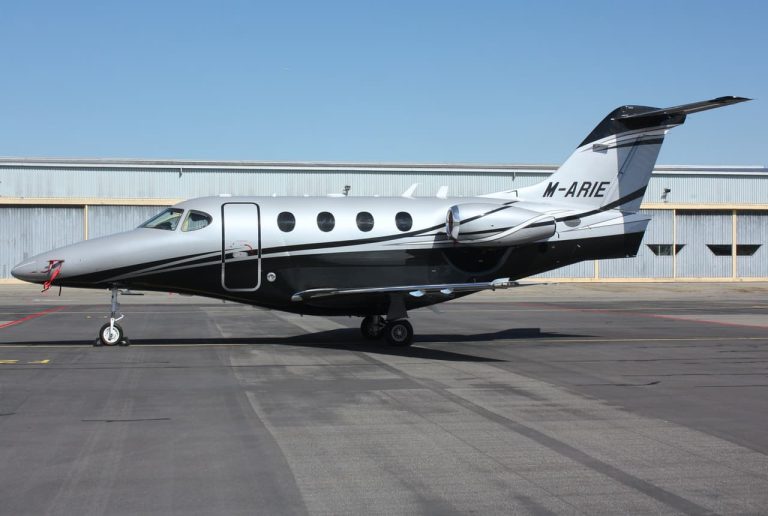
AirBus A318 PrivateJetia
Owning a private jet is a luxury that comes with significant financial and legal responsibilities. From federal excise taxes (FET) to state sales tax laws, jet owners must carefully navigate the complex world of aviation taxation to ensure compliance and minimize costs.
This guide provides a comprehensive overview of the tax laws, deductions, and planning strategies that every private jet owner should know.
- Understanding the Different Types of Private Jet Taxes
Taxation on private jets varies depending on how the aircraft is used, who owns it, and where it is registered. The main taxes that affect private jet owners include:
Federal Taxes on Private Jets
- Federal Excise Tax (FET): A 7.5% tax applies to commercial flights under Part 135 but is generally not applicable to private business flights under Part 91.
- Depreciation and IRS Regulations: The IRS allows jet owners to depreciate their aircraft over time, providing tax benefits.
State and Local Taxes
- Sales and Use Tax: Some states impose sales tax on jet purchases, while others have exemptions.
- Property Tax: Some states levy annual property taxes on aircraft.
- Fuel Taxes: Varies by state, with some offering exemptions for certain types of flights.
Understanding these taxes is crucial for minimizing liabilities while remaining compliant with federal and state aviation laws.
- Structuring Private Jet Ownership for Tax Optimization
How you own your jet significantly affects its tax treatment. Choosing the right ownership structure can lead to tax savings and legal protections.
Common Private Jet Ownership Structures
- Personal Ownership:
- Simple, but offers limited tax advantages.
- Personal use is not deductible, leading to higher tax liabilities.
- Business Ownership (LLC, S-Corp, or C-Corp):
- Allows businesses to deduct expenses related to jet operation.
- Must prove legitimate business use to qualify for deductions.
- Aircraft Holding Company:
- A separate entity owns the jet and leases it to a business.
- Used to manage tax liability and comply with FAA regulations.
- Fractional Ownership:
- Owners buy a share of a jet, reducing upfront costs.
- Offers some tax benefits but requires compliance with FAA rules.
Proper ownership structuring ensures maximum tax efficiency and reduces the risk of IRS audits.
- Federal Excise Tax (FET) and Exemptions
When Does Federal Excise Tax Apply?
- Private flights under Part 91:Not subject to FET.
- Commercial flights under Part 135:Subject to 7.5% FET on ticket sales.
FET Exemptions for Private Jet Owners
- International Flights: Often exempt from FET.
- Government and Nonprofit Flights: May qualify for exemptions.
- Owner-Flown Aircraft: If the owner pilots the aircraft, some exemptions may apply.
Proper flight classification and documentation are essential to avoiding unnecessary FET charges.
- Depreciation and Tax Deductions for Private Jets
Bonus Depreciation Under the Tax Cuts and Jobs Act (TCJA)
- Allows 100% deduction of the jet’s purchase price in the first year.
- Applies to new and pre-owned jets used for business.
- Business use must exceed 50% of total flight hours.
Section 179 Deduction
- Allows businesses to deduct up to $1.16 million (2024) in aircraft purchases.
- Ideal for smaller aircraft or partial jet ownership.
These tax incentives can significantly reduce the upfront cost of private jet ownership.
- Sales and Use Tax Strategies for Private Jets
Sales tax on private jets varies widely across states. Some states offer tax exemptions, while others impose high sales tax rates.
States with No Sales Tax on Private Jets
- Montana (Popular for aircraft registration)
- Oregon & New Hampshire (No general sales tax)
- Delaware (No personal property tax on aircraft)
Avoiding Use Tax Liabilities
Even if a jet is registered in a tax-friendly state, use tax may apply in states where it is frequently operated. Strategies include:
- Limiting time spent in high-tax states.
- Structuring ownership through leasing agreements.
- Using temporary exemptions for new aircraft.
Proper registration and tax planning can lead to significant cost savings over time.
- Business vs. Personal Use: IRS Compliance
The IRS closely monitors private jet owners to prevent abuse of tax deductions.
IRS Rules for Business Use
- Flights must have a direct business purpose.
- Detailed flight logs and records must be maintained.
- Any personal use must be properly allocated and taxed.
Tax Implications of Personal Use
- Personal flights can trigger imputed income tax for executives.
- Misclassifying personal flights as business use can lead to IRS penalties.
To avoid tax issues, owners should use aviation tax software to track flight usage.
- Chartering Your Private Jet Under Part 135
Some jet owners charter their aircraft to offset costs and gain tax benefits.
Tax Advantages of Chartering a Private Jet
- Revenue from chartering can offset operating expenses.
- Certain operating costs become deductible.
- Commercial flights under Part 135 may qualify for additional tax exemptions.
Challenges of Chartering a Private Jet
- FAA regulations require strict compliance.
- Higher insurance costs due to commercial operations.
- Potential loss of tax advantages if the IRS deems the jet primarily for personal use.
When structured correctly, chartering can be a tax-efficient way to offset ownership costs.
- Estate Planning for Private Jet Owners
Private jets are high-value assets that can create estate tax liabilities if not properly managed.
Strategies to Reduce Estate Taxes on Private Jets
- Transferring ownership to a trust can reduce estate tax exposure.
- Family limited partnerships (FLPs) help distribute ownership among heirs.
- Gifting jet shares strategically lowers taxable estate value.
By planning ahead, owners can ensure their jets are transferred efficiently to future generations.
- Tax Implications of Leasing vs. Buying a Private Jet
Some owners choose leasing over direct ownership to optimize tax benefits.
Benefits of Leasing a Private Jet
- Lease payments may be fully deductible as a business expense.
- Lower initial capital investment compared to buying.
- Flexibility to upgrade aircraft more frequently.
Common Leasing Structures
- Operating Lease: Ideal for businesses wanting to avoid long-term ownership risks.
- Dry Lease: The aircraft is leased without a crew, offering operational flexibility.
- Wet Lease: Includes crew and services but has additional tax obligations.
Leasing can be a cost-effective option depending on an owner’s financial goals.
Conclusion: Mastering Private Jet Taxation
Navigating private jet taxes requires a solid understanding of federal laws, state regulations, and IRS guidelines.
Key Takeaways:
- Ownership structuring (LLC, trust, or holding company) significantly impacts taxation.
- Depreciation strategies like bonus depreciation can reduce tax burdens.
- Registering in tax-friendly states helps minimize sales and use tax.
- Proper flight tracking is critical to avoid IRS audits and penalties.
By implementing effective tax planning strategies, jet owners can legally minimize their tax liabilities while maximizing the benefits of private aviation.