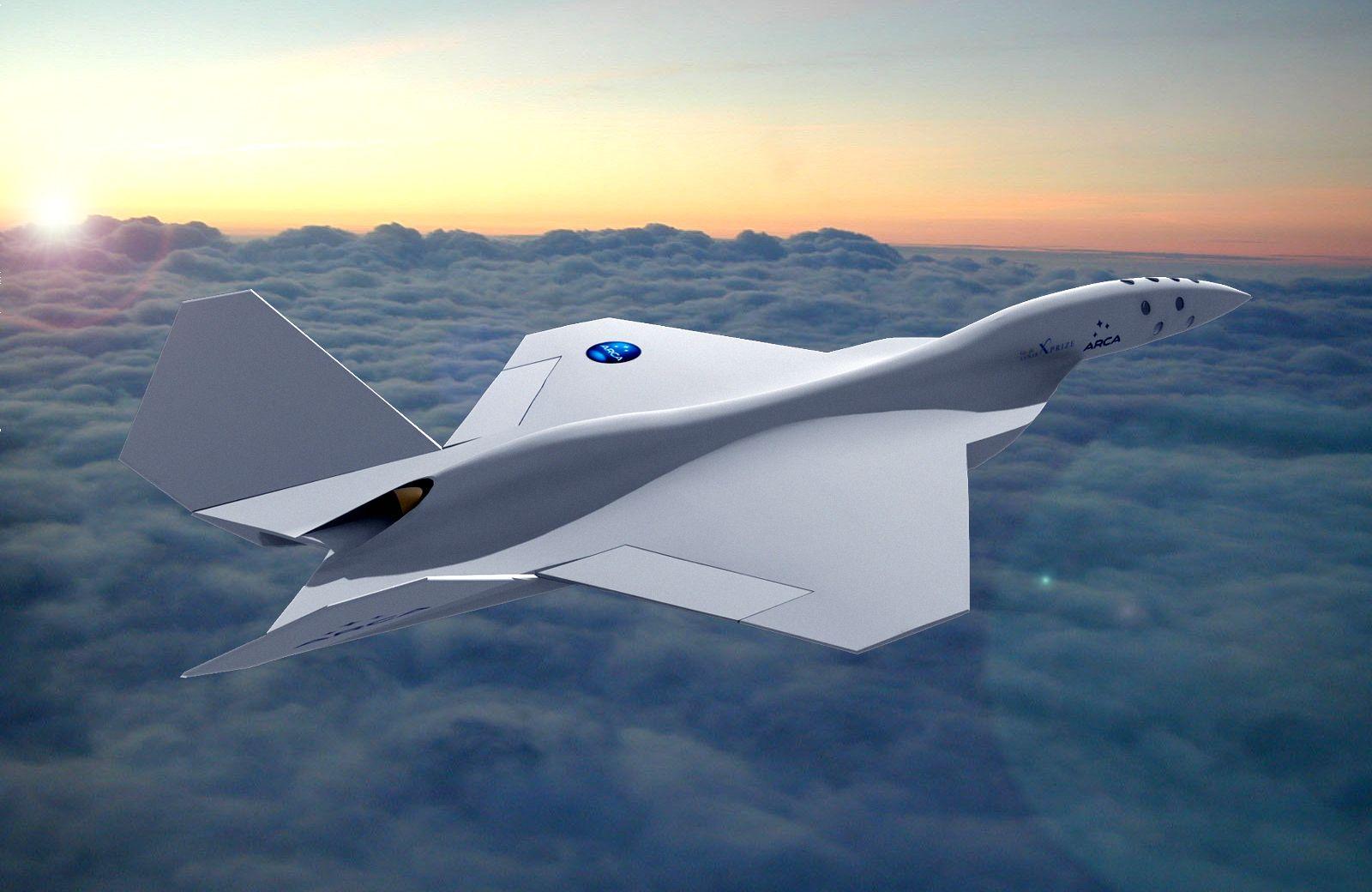
private jet technology privatejetia 18
Private jet ownership offers unmatched luxury, convenience, and flexibility for those who are ready to elevate their travel experience. While the idea of owning a private jet may seem like an unattainable dream for many, it is, in fact, a reality for a select group of high-net-worth individuals and savvy investors. With careful planning, strategic decision-making, and expert guidance, private jet ownership can be a highly rewarding investment.
In this ultimate roadmap to private jet ownership, we will take you through every crucial step of the process, from understanding the market and selecting the right jet to managing your investment for long-term success. Whether you’re a first-time buyer or an experienced investor looking to add another aircraft to your fleet, these expert insights and creative strategies will help you make an informed, strategic purchase.
Step 1: Understanding the Private Jet Market
The first step in your journey toward private jet ownership is to understand the landscape of the private aviation market. The private jet market is highly dynamic and influenced by various factors such as demand, availability, technology, and economic trends. Here’s a quick look at what you need to know:
- Types of Private Jets: The private jet market is divided into several categories, including light jets, midsize jets, super-midsize jets, and heavy jets. Each type of jet serves a different purpose, from short regional trips to long-haul international flights. Identifying your specific travel needs will help you determine which category suits your lifestyle and requirements.
- Market Trends: The demand for private jets tends to rise during periods of economic growth and decline during times of financial uncertainty. However, even in tough economic times, wealthy individuals and corporations often seek out private jets for business efficiency, privacy, and security. Understanding these market cycles will help you make a timely purchase.
- Depreciation Rates: Just like any other high-value asset, jets lose value over time. However, some models have slower depreciation rates than others. High-end models from manufacturers like Gulfstream, Bombardier, and Dassault are known to hold their value better, while older models may depreciate faster. Being aware of depreciation trends allows you to make an investment that retains its value in the long run.
Step 2: Determining Your Ownership Needs and Budget
Before diving into the specifics of purchasing a jet, it’s important to assess your needs and establish a realistic budget. Private jet ownership comes with significant ongoing expenses, including fuel costs, maintenance, crew salaries, and hangar fees. As part of your assessment, consider the following:
- Frequency of Travel: How often will you use your jet? If you plan to use your jet frequently for business or personal travel, a more durable and larger model may be appropriate. For occasional use, a smaller jet may suffice, offering lower operating costs.
- Passenger Capacity: How many passengers do you typically travel with? Light jets accommodate up to 6 passengers, while heavy jets can seat 10 or more comfortably. Think about your typical travel group, whether it’s just you, family members, or colleagues.
- Flight Range: Consider how far you typically travel. If your trips are long-haul, such as international flights, you’ll need a jet with a longer range and the necessary amenities for long-distance travel. On the other hand, if your travel is mostly regional, a jet with a shorter range may meet your needs.
- Budgeting for Ownership: Understand that the upfront cost of buying a private jet is only one aspect of the financial commitment. Annual operating costs can run into the hundreds of thousands of dollars, so make sure you factor in all the fixed costs and variable expenses.
By clearly identifying your travel needs and budget, you can narrow down your options and avoid overspending on a jet that doesn’t meet your needs.
Step 3: Choosing the Right Private Jet Model
Once you’ve assessed your needs and budget, the next step is selecting the right private jet model. With countless options available in the market, choosing the right aircraft can be daunting, but there are several key factors to consider:
- New vs. Pre-Owned Jets: Purchasing a new jet ensures you get the latest technology and features, but it comes at a premium price. On the other hand, pre-owned jets can offer significant savings. However, you’ll need to carefully assess the condition and maintenance history of a pre-owned jet to ensure you’re making a sound investment.
- Jet Features and Amenities: Modern private jets come with a wide range of luxury amenities, including comfortable seating, spacious cabins, Wi-Fi connectivity, and even bedrooms and bathrooms. Consider which features are most important to you and your family or business associates.
- Brand Reputation: Renowned manufacturers such as Gulfstream, Bombardier, Dassault, and Embraer have built strong reputations for producing high-quality, reliable jets. When purchasing a jet, it’s often best to stick with a reputable brand that offers excellent customer service, strong resale value, and a solid reputation for craftsmanship.
- Performance and Safety: Performance is key when selecting a private jet. Look for a model that offers good fuel efficiency, strong range, and reliability. Also, prioritize safety features like collision avoidance systems, turbulence mitigation systems, and backup power to ensure the safety of everyone on board.
By selecting the right jet model based on your personal or business needs, you’ll be in a better position to enjoy the full benefits of private jet ownership.
Step 4: Securing Financing and Tax Benefits
Financing the purchase of a private jet is a significant step in the process. Although many buyers opt to pay for the jet in cash, others may choose to take out aviation-specific loans or engage in leasing arrangements to make the purchase more manageable.
- Loan Options: Aviation loans typically come with favorable terms for private jet buyers. Since these loans are specifically tailored to aircraft purchases, they tend to offer lower interest rates and more flexible repayment terms than standard loans. A private aviation financing expert can help you secure the best loan for your situation.
- Leaseback Programs: As an alternative to full ownership, a leaseback program allows you to purchase the jet and lease it back to a third party, such as a charter company. This arrangement can generate income, which helps offset the cost of ownership.
- Tax Advantages: In some jurisdictions, owning a private jet can offer significant tax benefits. For example, you may be able to claim depreciation, fuel costs, and maintenance expenses as tax deductions if the jet is used for business purposes. Work with a tax advisor who specializes in aviation to understand the full range of tax incentives available to you.
Step 5: Navigating the Purchase Process
The actual process of purchasing a private jet involves several steps, and it’s important to work with a trusted aviation broker or aircraft dealer who can guide you through each stage. This typically includes:
- Negotiation: Whether you’re buying new or pre-owned, the negotiation process is crucial in ensuring you get the best deal possible. An experienced broker can help you negotiate terms, price, and additional services.
- Pre-Purchase Inspection: Before finalizing any purchase, it’s essential to have a pre-purchase inspection conducted by a certified aircraft inspector. This inspection will check the condition of the jet and ensure that there are no hidden issues that could affect its value or safety.
- Finalizing the Purchase: Once the jet passes inspection and the terms are agreed upon, you’ll need to complete the legal paperwork. An aviation attorney will ensure that all documents are properly handled and that you’re in full compliance with relevant laws and regulations.
Step 6: Managing Your Private Jet
After purchasing your private jet, it’s important to efficiently manage its operations and maintenance. This includes:
- Crew Management: Hire qualified pilots, flight attendants, and ground staff to ensure the safe and efficient operation of your jet. Many buyers also opt for flight support services that handle scheduling, catering, and other logistics.
- Maintenance and Upkeep: Regular maintenance is essential to keeping your jet in top condition. Schedule routine inspections and adhere to the manufacturer’s maintenance recommendations to avoid unexpected repair costs and ensure the longevity of your aircraft.
- Operational Costs: Keep track of ongoing operational costs, including fuel, hangar space, insurance, and staff salaries. These costs can vary depending on the size and type of your jet, so it’s important to budget accordingly.
Conclusion
Private jet ownership is a major financial decision, but it offers an unmatched level of freedom, convenience, and luxury for those who are ready to make the commitment. By following this ultimate roadmap and utilizing expert insights and creative strategies, you can navigate the process with confidence and make an informed decision that aligns with your goals and lifestyle.
With careful planning, attention to detail, and the right support team, you can enjoy the full benefits of private jet ownership, whether it’s for personal travel, business efficiency, or as a savvy investment.


