PrivateJetia Private Jet Fly 40
Introduction
Private jets are often associated with luxury, speed, and a very uniqueed comfort. However, one aspect that is often overlooked is the fuel efficiency of these high-performance aircraft. In an era where sustainability is becoming increasingly important, private aviation companies are continuously striving to reduce fuel consumption and lower their environmental footprint. But what exactly makes a private jet fuel-efficient?
In this article, we’ll delve into the various factors that contribute to the fuel efficiency of private jets. From advanced engineering and design innovations to operational best practices, we’ll explore the technologies and strategies that make modern private jets some of the most fuel-efficient in the aviation industry. Whether you’re a private jet owner, a frequent flyer, or someone interested in aviation technology, this article will give you a comprehensive understanding of what makes a private jet fuel-efficient.
Understanding Fuel Efficiency in Private Jets
Fuel efficiency in private jets refers to the amount of fuel used per mile traveled or per passenger carried over a given distance. A fuel-efficient jet burns less fuel while maintaining its performance and comfort. Several factors contribute to the overall fuel efficiency of private jets, including the jet’s size, design, technology, engine performance, and operational procedures.
The key to fuel efficiency in private jets lies in the ability to optimize fuel consumption without compromising the speed, comfort, or safety of the aircraft. A private jet that is fuel-efficient not only benefits the owner by reducing operating costs but also helps reduce the overall environmental impact of private aviation.
1. Aircraft Design and Aerodynamics
The design and aerodynamics of a private jet play a crucial role in determining its fuel efficiency. Aircraft that are built with advanced materials and streamlined shapes tend to have lower drag, which leads to better fuel economy.
a. Streamlined Shape and Reduced Drag
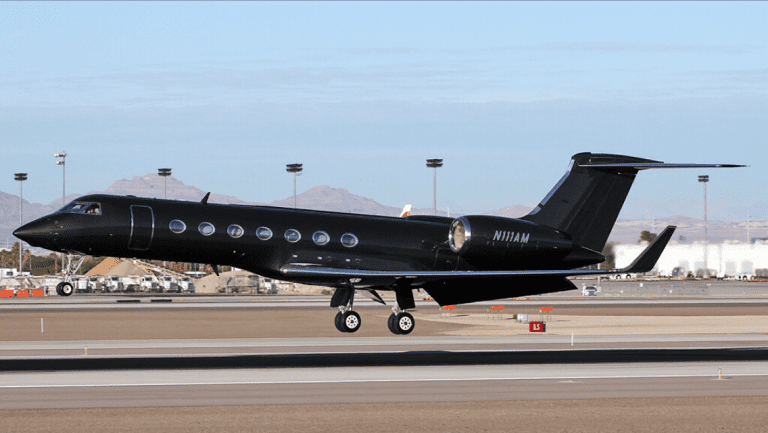
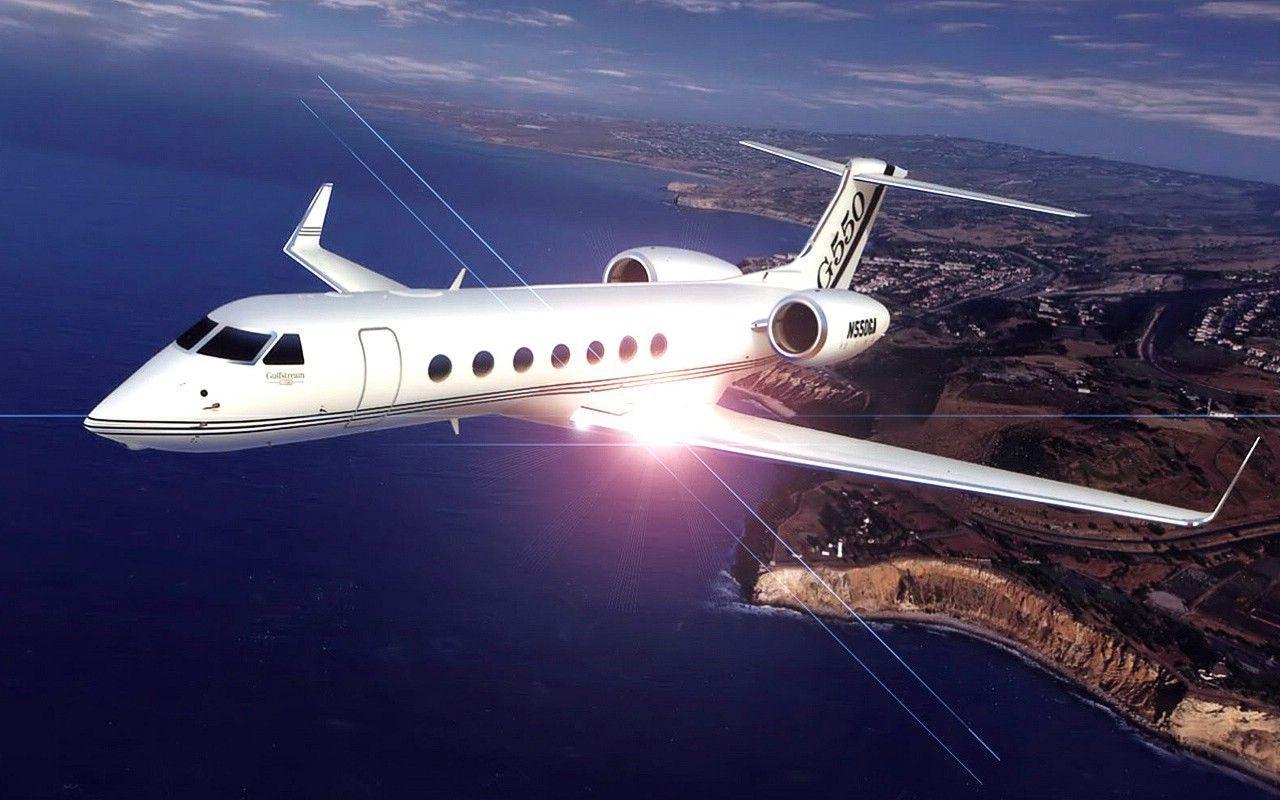
The shape of the aircraft, particularly its wings and fuselage, directly impacts its aerodynamic efficiency. A sleek, streamlined design minimizes air resistance, or drag, which in turn reduces the amount of fuel required to propel the aircraft. Modern private jets are often designed with winglets, which are small extensions at the tips of the wings that improve aerodynamics by reducing drag.
These aerodynamic improvements allow private jets to cut through the air more efficiently, reducing fuel consumption during flight. For example, aircraft like the Gulfstream G650 and Bombardier Global 7500 are known for their highly aerodynamic designs, which help them achieve greater fuel efficiency even at high speeds.
b. Lightweight Materials
In addition to aerodynamics, the materials used in the construction of a private jet significantly affect its fuel efficiency. Lightweight composite materials, such as carbon fiber, are increasingly being used in the manufacturing of private jets. These materials are strong yet light, reducing the overall weight of the aircraft.
The lighter the aircraft, the less fuel is needed to keep it airborne. Modern private jets such as the Dassault Falcon 8X and the Embraer Praetor 600 use advanced composite materials to maintain a light structure while ensuring strength and durability. A lighter aircraft consumes less fuel during takeoff, cruise, and landing, making it more efficient overall.
2. Engine Technology and Efficiency
The engines of a private jet are among the most significant factors influencing fuel efficiency. Advances in jet engine technology have made private jet engines more efficient, reducing fuel consumption and emissions.
a. High-Bypass Ratio Engines
Modern private jets often use high-bypass ratio engines, which are designed to move more air through the engine with less fuel consumption. These engines are optimized for long-distance travel, providing a balance between speed, fuel efficiency, and comfort. High-bypass engines allow jets to cruise at higher altitudes, where the air is thinner and more fuel-efficient.
Jets like the Gulfstream G500 and Bombardier Global 6000 feature engines that use this technology, resulting in improved fuel efficiency during long-haul flights. These engines are capable of burning less fuel per mile traveled, which helps keep operational costs lower.
b. Efficient Fuel Combustion
Private jet engines also feature advanced systems for more efficient fuel combustion. These systems ensure that fuel is burned more completely and at optimal temperatures, leading to better fuel economy. Innovations such as variable fan blades and advanced turbine technology allow engines to adjust to changing flight conditions, further enhancing fuel efficiency.
Additionally, some private jets are equipped with fuel-saving features like automatic throttle control and optimized power settings, which adjust engine output based on real-time flight data. This ensures that the engine operates at the most efficient level possible throughout the flight.
3. Avionics and Flight Management Systems
Modern avionics and flight management systems (FMS) play a critical role in optimizing fuel efficiency. These systems allow pilots to plan the most efficient flight path, taking into account factors such as weather conditions, wind speeds, and air traffic.
a. Optimal Flight Paths and Altitudes
One of the primary ways avionics contribute to fuel efficiency is by calculating the most fuel-efficient flight path. The FMS calculates the optimal altitude and route based on real-time data, helping pilots avoid unnecessary detours or altitude changes that could lead to increased fuel consumption. By flying at the most efficient altitude, private jets can reduce fuel burn and shorten travel times.
For example, jets that are equipped with performance-based navigation systems can fly more direct routes, avoiding congested airways and reducing fuel consumption. These systems can also adjust flight plans in real-time based on weather patterns, further optimizing fuel usage.
b. Reducing Flight Time
Reducing flight time is another key factor in improving fuel efficiency. Flight management systems are designed to help pilots optimize the speed and trajectory of the flight, ensuring that the aircraft reaches its destination as quickly and efficiently as possible. By reducing unnecessary delays and ensuring smooth flight profiles, these systems can help minimize fuel consumption.
4. Sustainable Aviation Fuel (SAF) and Eco-Friendly Alternatives
The use of sustainable aviation fuel (SAF) is becoming more prevalent in private jet travel. SAF is a type of biofuel made from renewable resources such as plant oils, algae, and agricultural waste. It can significantly reduce the carbon footprint of private aviation, making it an important factor in the pursuit of more sustainable, fuel-efficient flying.
a. Reducing Carbon Emissions
SAF can be used as a direct replacement for traditional jet fuel, with the key benefit being that it produces fewer greenhouse gas emissions. When SAF is burned, it results in up to an 80% reduction in carbon emissions compared to conventional jet fuel. This makes it a highly attractive option for private jet operators who are looking to reduce their environmental impact while maintaining fuel efficiency.
Many private jet operators are now offering SAF as an option for their customers, allowing them to fly more sustainably without compromising on performance or luxury.
b. Hybrid and Electric Jets
In addition to SAF, the development of hybrid and electric propulsion systems is a growing trend in the aviation industry. While still in the early stages of development, electric and hybrid jets have the potential to revolutionize fuel efficiency in private aviation. These aircraft are designed to run on electricity or a combination of electricity and traditional jet fuel, which can significantly reduce fuel consumption and emissions.
5. Operational Best Practices
Even the most advanced jet engines and technologies can’t reach their full fuel-efficient potential without proper operational practices. The way a private jet is flown, maintained, and serviced plays a significant role in its fuel efficiency.
a. Efficient Takeoffs and Landings
Fuel consumption is highest during takeoff and landing. Therefore, pilots are trained to adopt techniques that minimize fuel usage during these phases of flight. For example, smooth and gradual takeoffs, as well as optimized landing approaches, can reduce the amount of fuel needed during these critical phases.
b. Maintenance and Upkeep
Regular maintenance is essential for ensuring that private jets operate at peak fuel efficiency. Engines, airframes, and avionics must be regularly serviced and maintained to ensure that they are functioning optimally. Well-maintained aircraft burn less fuel and are more efficient overall, making regular maintenance a key component of fuel-efficient private jet operations.
Conclusion
Fuel efficiency in private jets is the result of a combination of advanced technologies, efficient design, smart operational practices, and eco-friendly innovations. From aerodynamics to engine efficiency, flight management systems, and the use of sustainable aviation fuel, private jets are becoming more fuel-efficient than ever before.
As sustainability becomes a greater priority in the aviation industry, private jet operators are increasingly focused on reducing fuel consumption and minimizing environmental impact. Whether through the use of advanced materials, more efficient engines, or eco-friendly fuels, private jets are continuing to evolve to meet the demands of both passengers and the planet.
By understanding what makes a private jet fuel-efficient, private jet owners and operators can make informed decisions that not only reduce operating costs but also contribute to a more sustainable future for aviation.