Private Jet PrivateJetia 014
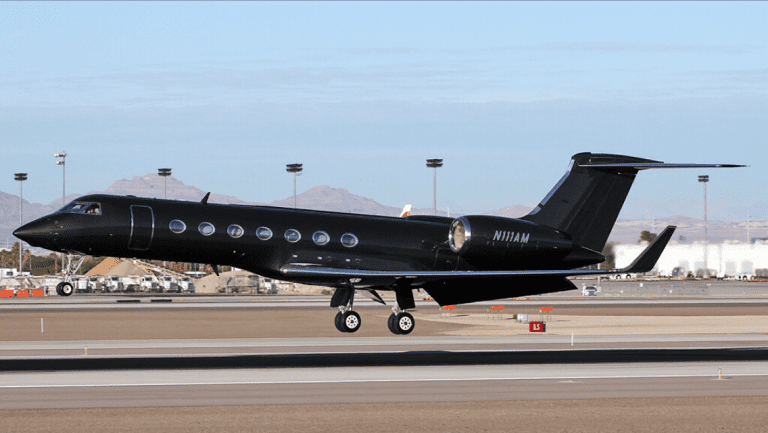
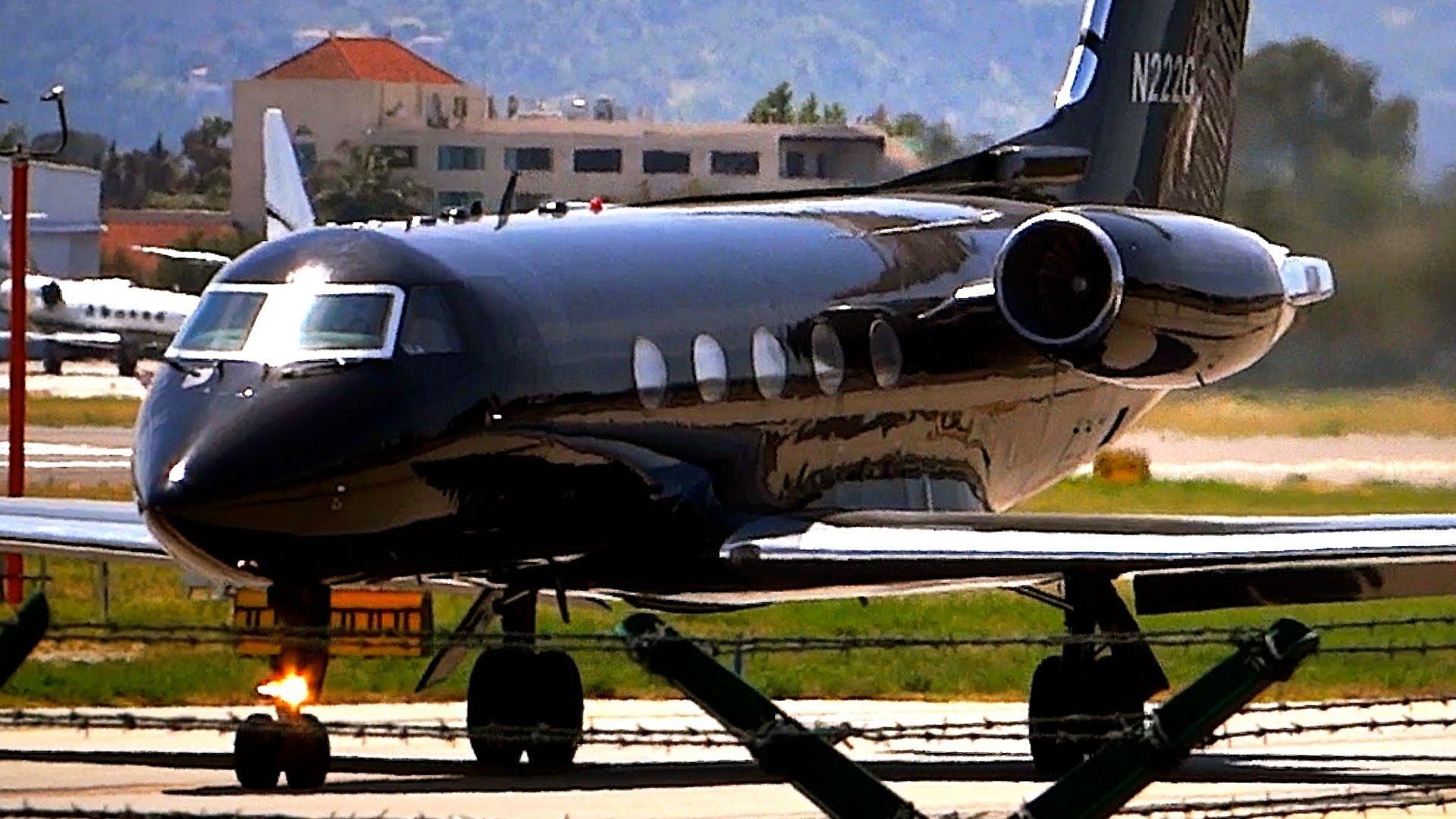
Private jet ownership is often seen as the ultimate luxury and a status symbol of wealth and success. The allure of having a personal aircraft at your disposal, enabling you to travel whenever and wherever you wish, is undeniably tempting. However, before diving into the world of private aviation, it’s important to understand the financial side of owning a private jet. While the benefits can be immense, the costs involved are significant and can be overwhelming for those who haven’t fully accounted for the ongoing expenses. In this article, we’ll explore the financial side of private jet ownership in detail, covering everything from the initial purchase price to ongoing operational costs, depreciation, and more.
The Appeal of Private Jet Ownership
Before discussing the costs, it’s important to first consider why individuals and businesses opt to own a private jet in the first place. The reasons go beyond just luxury and comfort, and often include time savings, flexibility, and privacy.
1. Convenience and Time Savings
One of the most significant advantages of owning a private jet is the ability to save time. Commercial air travel can be time-consuming, involving long lines at security, delays, and inconvenient flight schedules. With a private jet, you can avoid the hassles of commercial flying and enjoy the luxury of arriving at your destination faster. You have the ability to fly on your own schedule, at times that suit you best, often avoiding the busiest airports and congested airways.
Additionally, private jets can land at smaller airports, bringing you closer to your final destination and helping you avoid the time-consuming ground transportation required when flying commercially.
2. Flexibility and Control
Private jet ownership gives you full control over your travel plans. You can choose your routes, change your schedule at the last minute, and travel without worrying about cancellations or delays. This flexibility is invaluable for business leaders who need to be agile and adapt to changing circumstances quickly. The ability to plan your own itinerary with minimal notice is one of the most appealing aspects of private jet ownership.
3. Luxury and Comfort
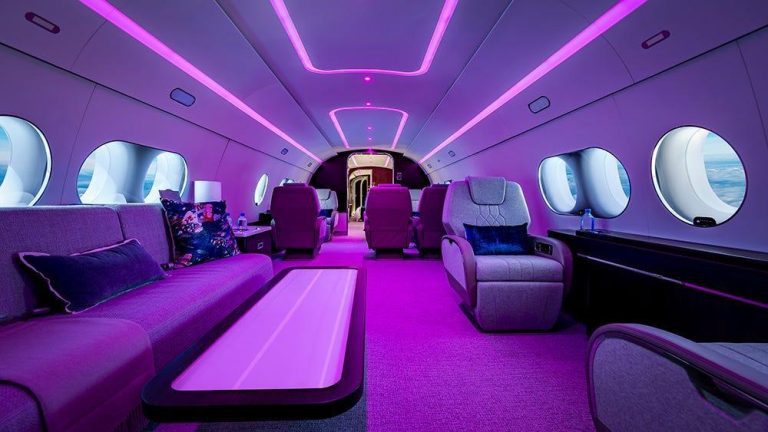
Private jets offer a level of luxury and comfort that commercial flights simply cannot match. The interiors of private jets are designed to cater to your every need, with plush seating, luxurious finishes, and customized amenities. Many jets feature spacious cabins, comfortable beds, fully equipped kitchens, and high-end entertainment systems, ensuring that every flight is an enjoyable experience. On long-haul flights, you can even enjoy fine dining and have a private bathroom, making the journey more like a hotel stay in the sky.
4. Privacy and Security
For high-net-worth individuals and corporate leaders, privacy and security are essential concerns when traveling. With a private jet, you avoid the crowded terminals, public attention, and potential security risks that come with commercial flights. You can discuss business matters, relax, or unwind without worrying about prying eyes or compromising your personal security. The ability to choose your own security measures also ensures that your trip remains confidential and secure.
The Costs of Private Jet Ownership
While the benefits of owning a private jet are clear, the financial commitment involved is substantial. Let’s break down the various costs associated with private jet ownership to give you a clearer understanding of what’s involved.
1. The Purchase Price
The first major cost of private jet ownership is the initial purchase price of the aircraft. Private jets come in a wide range of sizes and models, with prices varying significantly based on factors such as the aircraft’s size, age, and level of customization. Smaller jets like the Cessna Citation Mustang or Embraer Phenom 100 can be purchased for as little as $3 million, while mid-sized jets like the Learjet 60 or Gulfstream G150 typically cost between $10 million and $20 million. For larger, long-range jets such as the Gulfstream G650 or Bombardier Global 7500, the price tag can exceed $50 million or more.
The price of the jet will depend on various factors, including its age, condition, and available features. New jets are typically more expensive but offer the latest technology and a longer lifespan. However, buying a pre-owned jet can significantly lower the upfront cost, though it may come with higher maintenance costs down the line.
In addition to the base price of the jet, there are also additional costs associated with customizing the aircraft. Many owners opt to upgrade the interiors with luxurious finishes such as exotic woods, leather seating, advanced avionics, and cutting-edge entertainment systems. These customizations can add millions to the cost of the jet, depending on the level of opulence chosen.
2. Depreciation
Like any high-value asset, a private jet depreciates over time. The depreciation rate for private jets can vary depending on the make, model, and age of the aircraft. On average, private jets lose around 3% to 5% of their value each year. However, the most significant depreciation occurs in the first five years of ownership, after which the rate of depreciation tends to slow down.
While depreciation may seem like a downside of jet ownership, it’s important to note that well-maintained and popular models may hold their value better than others. Aircraft that are equipped with the latest technology and are kept in good condition will likely depreciate at a slower rate than older, less-equipped jets.
3. Operating and Maintenance Costs
Once you own a private jet, the ongoing operating and maintenance costs can quickly add up. The average annual operating cost for a private jet can range from $500,000 to $4 million, depending on the size of the aircraft and the frequency of its use.
Fuel Costs
One of the largest operational expenses for any private jet owner is fuel. Depending on the size of the aircraft, a private jet can consume between 150 and 500 gallons of fuel per hour of flight. The cost of fuel fluctuates, but on average, private jet fuel costs between $5 and $7 per gallon. For larger jets, fuel costs can exceed $10,000 per hour of flight, and for high-end models, the cost of fuel can approach $20,000 per hour.
Crew Salaries
Private jets require a team of highly skilled professionals to operate them safely and efficiently. This includes pilots, flight attendants, and maintenance crew members. The cost of salaries for these personnel can add up quickly, with pilot salaries ranging from $100,000 to $300,000 per year, depending on the size of the aircraft and the level of experience required.
In addition to the pilots, flight attendants are often employed to ensure that the passengers have a comfortable and enjoyable experience. Salaries for flight attendants typically range from $50,000 to $150,000 per year, depending on the size of the jet and the level of service provided.
Maintenance and Repairs
Regular maintenance is essential to keep a private jet in good working order. The maintenance costs for private jets can vary widely depending on the size and age of the aircraft, but on average, maintenance can cost anywhere from $100,000 to $500,000 per year. Routine inspections, engine overhauls, avionics updates, and the replacement of parts such as tires and brakes can all add to the maintenance costs. Additionally, unscheduled repairs can be costly, particularly if the jet is older or has experienced issues that require specialized parts.
Insurance
Private jet insurance is another recurring cost for owners. The cost of insurance can vary depending on the value of the jet, the level of coverage, and the type of aircraft. On average, insurance premiums for private jets range from $20,000 to $100,000 per year. Higher-value jets and those with more complex systems may incur higher premiums.
Hangar and Storage Fees
Storing a private jet requires dedicated hangar space, which can be costly depending on the location. Hangar fees typically range from $1,000 to $5,000 per month for smaller jets and can exceed $10,000 per month for larger aircraft. These fees can add up quickly, particularly if you store your jet at an airport in a major city with limited space.
4. Additional Costs
In addition to the above-mentioned expenses, there are several other costs to consider when owning a private jet. These include landing fees, catering, ground services, and the cost of customization and upgrades. Landing fees are charged by airports for the privilege of landing at their facilities, and these fees can range from a few hundred dollars to several thousand, depending on the airport and the size of the jet.
Catering services can also add to the cost of flying private, with meals ranging from a few hundred dollars to several thousand, depending on the level of service requested. Ground services such as baggage handling, refueling, and de-icing are also additional costs to consider when operating a private jet.
Conclusion
Owning a private jet is undoubtedly a significant financial investment. The upfront purchase price is just the beginning, with ongoing expenses such as fuel, crew salaries, maintenance, and insurance contributing to the overall cost of ownership. The depreciation of the jet over time can also impact the value of your investment, making it essential to carefully consider the financial implications before committing to private jet ownership.
For some individuals and businesses, the benefits of private jet ownership, such as time savings, flexibility, comfort, and privacy, make the investment worthwhile. However, for others, the costs may outweigh the advantages, especially if they do not fly frequently enough to justify the expense. Fractional ownership, jet cards, and chartering services can offer alternatives to full ownership while still providing access to private aviation.
In conclusion, if you are considering purchasing a private jet, it’s crucial to understand the full financial picture. By weighing the costs against the benefits, you can make an informed decision about whether private jet ownership is the right investment for you.