Private Jet PrivateJetia 011
The world of private jet travel has long been synonymous with luxury, exclusivity, and the summery of elite status. For years, private jets have been reserved for the wealthiest individuals, celebrities, and business moguls, providing an unmatched level of convenience, privacy, and comfort. However, as we look toward the future, the landscape of private aviation is undergoing a radical transformation. Advancements in technology, sustainability efforts, and changing consumer demands are all contributing to a future where private jet travel is more accessible, efficient, and luxurious than ever before.
In this article, we will explore why the future of private jet travel is brighter than ever. From new technological innovations and eco-friendly initiatives to more flexible travel options and enhanced in-flight experiences, private aviation is set to revolutionize the way we fly. Whether you’re a frequent private jet traveler or simply curious about the future of aviation, this article will give you a glimpse into the exciting developments shaping the next decade of private jet travel.
Technological Advancements in Private Jet Travel
One of the primary reasons why the future of private jet travel is brighter than ever is the rapid pace of technological advancements in the aviation industry. Over the next decade, we can expect several groundbreaking innovations that will significantly enhance the private jet experience. From faster, more efficient aircraft to smarter, more connected cabins, technology is poised to revolutionize how we travel by private jet.
Supersonic Travel: Cutting Flight Times in Half
Perhaps one of the most exciting developments in private aviation is the return of supersonic travel. Supersonic jets, which travel faster than the speed of sound, promise to drastically reduce flight times, allowing passengers to reach their destinations in half the time it currently takes. This is a game-changer for business travelers, as well as anyone who wants to maximize their time and travel more efficiently.
Several companies are already working on developing supersonic jets, and it’s expected that we will see these aircraft in commercial use within the next decade. Companies like Boom Supersonic and Aerion Supersonic are at the forefront of this innovation, with designs that promise to cut flight times between major cities by more than 50%. For example, a flight from New York to London, which typically takes around seven hours, could be completed in just three and a half hours. Similarly, a flight from Los Angeles to Tokyo could be reduced from 11 hours to just under six hours.
The return of supersonic jets will not only save time but will also improve the efficiency of long-haul travel. These jets will be designed to be more fuel-efficient, quieter, and environmentally friendly than previous generations of supersonic aircraft. This means that passengers can expect faster travel without compromising on luxury or sustainability.
Autonomous and Pilotless Aircraft: The Future of Safety and Convenience
Another exciting technological advancement in the private jet industry is the development of autonomous or pilotless aircraft. While fully autonomous private jets are still a few years away from becoming a reality, the technology behind autonomous flight is advancing rapidly. In the next decade, we could see private jets that operate without a human pilot on board, relying on advanced artificial intelligence (AI) and machine learning to navigate and control the aircraft.
The introduction of autonomous private jets has the potential to make air travel safer, more efficient, and less expensive. Autonomous jets will be equipped with sophisticated systems that can monitor the aircraft’s performance, adjust flight paths in real time, and ensure that the aircraft operates safely and efficiently. These systems will reduce the likelihood of human error and enhance the overall safety of private jet travel.
For passengers, autonomous aircraft will offer a more streamlined and hassle-free flying experience. With no need for pilots or crew, passengers will be able to enjoy a more personalized journey, with the ability to customize their in-flight experience based on their preferences. From adjusting lighting and temperature to selecting entertainment options, autonomous jets will give passengers greater control over their journey.
Advanced Cabin Technology: A More Connected and Comfortable Experience
In addition to advancements in aircraft design, the cabins of future private jets will also see significant improvements in technology. The next generation of private jet cabins will feature state-of-the-art connectivity, entertainment, and comfort options that will enhance the overall passenger experience.
Wi-Fi and connectivity have become essential for travelers, and private jets are no exception. Future private jets will offer high-speed internet that is even more reliable and faster than today’s connections, allowing passengers to work, stream content, or stay connected with loved ones while in the air. With the rise of 5G technology, private jet cabins will be equipped with cutting-edge communication systems that ensure seamless connectivity no matter where you are.
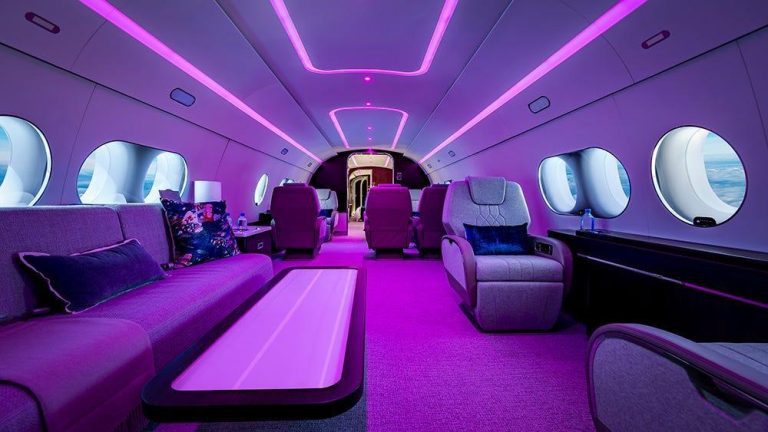
In addition to connectivity, future private jet cabins will offer a wide range of luxury features designed to make travel more comfortable. Advanced climate control systems will allow passengers to set the ideal temperature for their journey, while customizable lighting will create the perfect ambiance. The introduction of smart materials and fabrics will enhance seating comfort, with some manufacturers incorporating features like memory foam and ergonomic designs to ensure that passengers arrive at their destination feeling refreshed and relaxed.
Sustainable Private Jet Travel: A Greener Future for Aviation
As climate change continues to be a pressing global issue, the private jet industry is under increasing pressure to reduce its environmental impact. The good news is that the future of private jet travel is set to be much more sustainable, with several initiatives aimed at reducing carbon emissions and promoting greener practices in aviation.
Electric and Hybrid-Electric Aircraft: A More Eco-Friendly Way to Fly
One of the most promising developments in the private jet industry is the rise of electric and hybrid-electric aircraft. Electric jets, which are powered entirely by electricity, are still in the early stages of development, but several companies are already working on prototypes. These aircraft offer the potential for zero-emission flights, making them an environmentally friendly alternative to traditional jet engines.
Hybrid-electric aircraft, which combine electric motors with conventional jet engines, are also gaining traction. These aircraft will offer a more sustainable way to fly by reducing fuel consumption and lowering carbon emissions. Hybrid-electric jets will be capable of flying longer distances than their fully electric counterparts, making them a practical option for short- to medium-haul flights.
Several companies are already working on developing electric and hybrid-electric private jets, and we can expect to see these aircraft enter commercial service within the next decade. As the technology improves and becomes more affordable, electric and hybrid-electric jets will become a mainstream option for private jet travelers who want to reduce their carbon footprint.
Sustainable Aviation Fuel (SAF): Reducing Emissions in Private Aviation
Another key initiative aimed at making private jet travel more sustainable is the use of Sustainable Aviation Fuel (SAF). SAF is a renewable fuel that is made from sustainable feedstocks such as plant-based oils, algae, and waste materials. When burned, SAF produces significantly fewer carbon emissions than traditional jet fuel, making it a key component of the industry’s efforts to reduce its environmental impact.
In the next decade, SAF will become more widely available, and private jet operators will increasingly adopt this fuel to reduce their carbon emissions. While SAF is still more expensive than traditional jet fuel, the price is expected to decrease as production increases and technology improves. As the aviation industry continues to embrace SAF, private jet travelers will have the option to fly more sustainably without sacrificing performance or luxury.
The Growing Accessibility of Private Jet Travel
In the past, private jet travel was reserved for the ultra-wealthy, but that is changing. In the next decade, private jet travel will become more accessible to a wider range of people, thanks to the rise of private jet chartering and fractional ownership.
Private Jet Chartering: More Affordable and Flexible Travel
Private jet chartering has made it possible for people to experience the luxury of private aviation without the high costs associated with owning a private jet. Charter services allow passengers to rent a private jet for a specific flight or series of flights, offering flexibility and convenience at a fraction of the cost of ownership.
In the future, the private jet charter industry will continue to grow, with more options for on-demand flights and greater transparency in pricing. Mobile apps and online platforms will make it easier than ever for travelers to book private jet flights, compare prices, and access a range of aircraft types. Whether you’re traveling for business or leisure, chartering a private jet will become a more accessible and cost-effective option.
Fractional Ownership: Shared Luxury for a Broader Audience
Fractional ownership is another option that will make private jet travel more accessible. Fractional ownership allows individuals to purchase a share in a private jet, giving them access to the aircraft for a set number of hours each year. This arrangement significantly reduces the cost of owning a private jet while still providing the benefits of private aviation, such as convenience, luxury, and flexibility.
As the demand for private jet travel grows, fractional ownership programs will become more popular. These programs will offer a more affordable way for high-net-worth individuals to enjoy the benefits of private jet travel without the financial burden of full ownership.
Conclusion: The Future of Private Jet Travel Is Brighter Than Ever
The future of private jet travel is indeed brighter than ever, thanks to technological innovations, sustainability efforts, and growing accessibility. From supersonic jets that cut flight times in half to electric and hybrid-electric aircraft that reduce carbon emissions, the next decade promises to bring exciting changes to the world of private aviation. As these advancements take flight, private jet travel will continue to be a symbol of luxury, convenience, and efficiency, providing passengers with an a very uniqueed flying experience. With more options for chartering, fractional ownership, and greener travel solutions, private jet travel will be within reach for more people than ever before, making it a more sustainable, accessible, and exciting mode of transportation for the future.