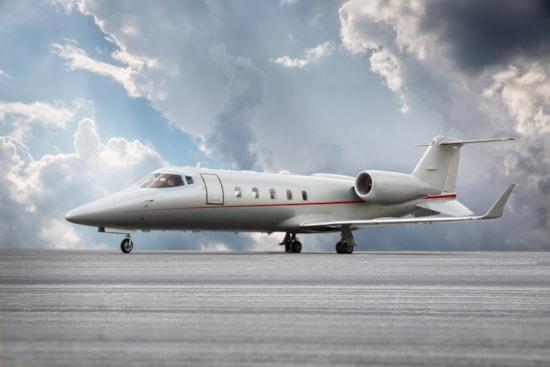
Luxury Travel Private Jet Privatejetia 18
Private jets are now synonymous with luxury, efficiency, and comfort, offering an exclusive experience that allows travelers to bypass the hassle of commercial flights. What was once reserved for a select few has become a booming industry, with private jets evolving to meet the needs of high-net-worth individuals, corporations, and even governments. The journey from the early days of private aviation to the sophisticated, technologically advanced aircraft of today is a story of relentless innovation, design advancements, and the constant pursuit of excellence. In this article, we will explore how private jets have evolved over the decades, examining key technological, design, and luxury advancements that have transformed the private aviation industry.
The Early Beginnings of Private Aviation
The origins of private aviation can be traced back to the early 20th century. In the years following the Wright brothers’ historic flight in 1903, aircraft development was focused on military and commercial aviation. However, as aviation technology advanced, the idea of private flight began to take root, with wealthy individuals and entrepreneurs seeking ways to travel more efficiently and privately.
In the 1920s and 1930s, aviation enthusiasts began chartering aircraft for personal use, although these early “private” flights were often commercial planes modified for private use. These early aircraft were primarily used by the elite to avoid the long waits and crowded conditions of commercial air travel. However, the aircraft used at this time were not designed for comfort or luxury, and flying privately was still a relatively expensive and limited option.
Despite the lack of dedicated private aircraft, these early efforts were instrumental in establishing the foundation for the future of private aviation. Business leaders, diplomats, and celebrities began to see the potential of private flight, and demand for more personalized and exclusive air travel experiences began to grow.
The 1950s: The Birth of the Business Jet
The post-World War II era marked a crucial turning point in the evolution of private jets. The war had spurred significant advances in aviation technology, and many of these innovations found their way into civilian aircraft development. The jet engine, which had been perfected during the war, became a key component in the evolution of private aviation.
In the 1950s, the introduction of the Cessna 500 in 1958 marked a major milestone in the development of private jets. The Cessna 500 was one of the first business jets specifically designed for the private aviation market. While the aircraft was small by today’s standards, it represented a significant shift in how private air travel was perceived. It was no longer just for the wealthy elite but had become a feasible option for business executives and high-net-worth individuals looking for a faster, more convenient way to travel.
At the same time, the introduction of the Learjet 23 in 1963 revolutionized private aviation. The Learjet 23, designed by Bill Lear, was the first true private jet that catered to both luxury and efficiency. With its sleek design, speed, and compact size, the Learjet became a symbol of success and sophistication, offering the perfect combination of performance and comfort. Learjet’s success cemented its place in the private aviation industry, and its design served as a blueprint for many future aircraft.
The 1970s and 1980s: The Expansion of the Business Jet Market
In the 1970s and 1980s, the demand for private jets surged as the business world embraced private aviation. Business leaders and corporations realized that owning or leasing a private jet provided significant advantages in terms of time management, efficiency, and privacy. The convenience of private air travel allowed executives to attend meetings, visit clients, and manage business operations in multiple locations, all while avoiding the delays and inconvenience of commercial flights.
During this period, the Gulfstream I and Gulfstream II were introduced, and these models quickly became the gold standard in private aviation. The Gulfstream II, introduced in 1977, was larger than its predecessors and offered improved performance, greater range, and a more luxurious cabin. The aircraft was equipped with advanced avionics, powerful engines, and a spacious interior, making it a favorite among business leaders and wealthy individuals. By the 1980s, Gulfstream had solidified its reputation as the leader in the business jet market.
Meanwhile, the Bombardier Challenger 600, introduced in 1980, became another key player in the private jet industry. The Challenger 600 offered a larger, more comfortable cabin and a range that was unmatched at the time, making it a popular choice for long-distance flights. Bombardier’s continued innovation in aircraft design allowed the company to stay at the forefront of the private jet market, catering to the growing demand for business jets.
The 1990s and Early 2000s: A New Era of Luxury and Technology
By the 1990s, private jets had become more than just a tool for business executives. They had evolved into a symbol of prestige and luxury. In this era, private jet manufacturers began to focus not only on performance and efficiency but also on providing a very uniqueed comfort and luxury for passengers. The growing influence of technology and the internet also had a significant impact on the design and operation of private jets, allowing for more personalized and efficient services.
One of the most significant advancements during this period was the introduction of the Gulfstream V in 1997. The Gulfstream V was the first business jet capable of flying non-stop from the United States to Europe, a feat that had previously been impossible for most private aircraft. Its advanced avionics, longer range, and luxurious interior set new standards in private aviation, and it quickly became the go-to aircraft for high-net-worth individuals.
In the early 2000s, the introduction of the Dassault Falcon 7X in 2005 marked another major advancement in the private jet industry. The Falcon 7X was the first private jet to feature fly-by-wire technology, which replaced traditional mechanical flight controls with electronic systems. This made the aircraft more efficient, safer, and easier to fly. The Falcon 7X also offered a spacious and luxurious interior, with a range that allowed passengers to travel long distances without refueling.
The 2010s: Customization and Personalization Take Center Stage
In the 2010s, the private jet market saw a shift toward even greater levels of customization and personalization. High-net-worth individuals no longer wanted just a luxurious cabin; they wanted their private jets to reflect their unique tastes and lifestyles. Manufacturers began offering bespoke interiors, including custom seating, entertainment systems, lighting, and décor, ensuring that no two private jets were the same.
The Bombardier Global 7500, introduced in 2018, was a prime example of this trend. With a range of over 7,700 nautical miles and an interior that featured private suites, a full-service galley, and a luxurious bathroom, the Global 7500 offered an unprecedented level of luxury and comfort. The aircraft’s advanced technology, including a smooth, quiet cabin and state-of-the-art entertainment systems, made it one of the most popular private jets in the world.
The demand for fractional ownership and jet-sharing services also grew during this period, allowing more people to access private jets without the cost of full ownership. Companies like NetJets offered fractional ownership models, allowing individuals and businesses to purchase shares in private jets. This made private aviation more accessible to a broader range of high-net-worth individuals, further expanding the private jet market.
The 2020s and Beyond: Sustainable Aviation and the Future of Private Jets
As we move into the 2020s, the private jet industry is facing new challenges and opportunities. Sustainability has become a key focus, as the aviation industry works to reduce its carbon footprint and address environmental concerns. Manufacturers are investing heavily in developing sustainable aviation fuel (SAF) and exploring electric and hybrid-electric aircraft that will reduce the environmental impact of private jets.
At the same time, new technologies like urban air mobility (UAM) and vertical takeoff and landing (VTOL) aircraft are being developed, which could revolutionize private aviation in the coming years. These innovations promise to make private air travel even more efficient, allowing passengers to bypass traffic and access more remote destinations with ease.
The demand for luxury and personalization continues to rise, with private jet manufacturers offering even more bespoke services and design options. In the future, we can expect even greater levels of customization, as well as new amenities and technologies that enhance the private jet experience. From fully immersive entertainment systems to personalized health and wellness features, the private jet of tomorrow will be a fully integrated experience that meets the diverse needs of its passengers.
Conclusion
The evolution of private jets has been marked by continuous innovation, technological advancement, and an ever-growing demand for luxury and comfort. From the early days of private aviation to the cutting-edge jets of today, the private jet industry has come a long way, transforming the way we travel and the level of luxury we expect from air travel. As the industry continues to evolve, the future of private jets promises even greater advancements in sustainability, efficiency, and personalization, ensuring that the skies remain the ultimate destination for those who demand the best.