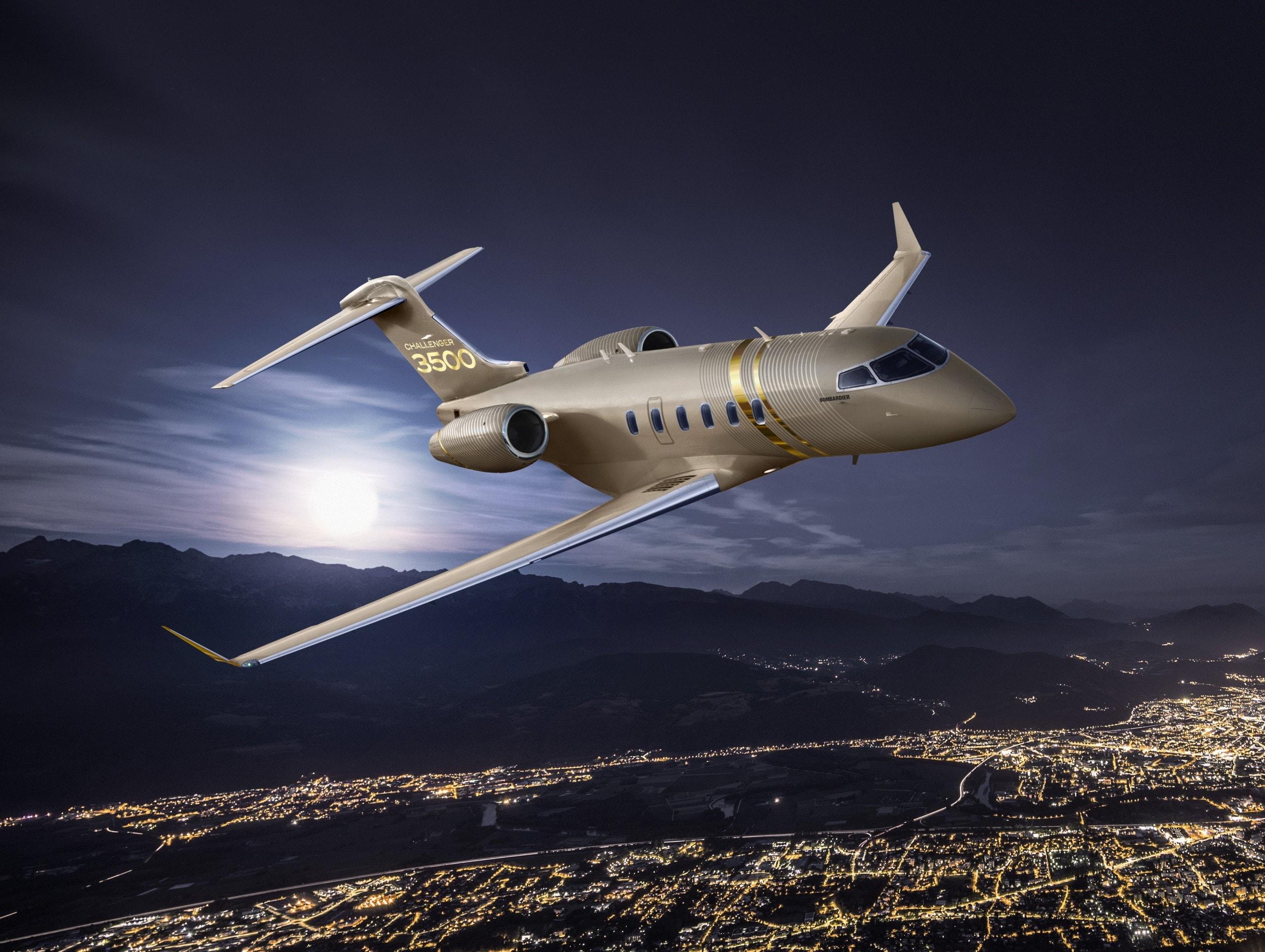
Private Jet PrivateJetia 032
Purchasing a private jet is no small feat. The process involves significant investment, careful decision-making, and a deep understanding of both the aviation market and your personal needs. While buying a jet may seem like a straightforward purchase, the strategy behind it can make a massive difference in the value you get. In this comprehensive guide, we will explore creative strategies for maximizing value when acquiring a private jet, covering everything from choosing the right model to navigating financing, negotiations, and long-term ownership.
Step 1: Understanding the True Cost of Private Jet Ownership
Before diving into the mechanics of acquiring a private jet, it’s important to first understand the full scope of ownership. The cost of purchasing a private jet goes beyond the initial price tag, and taking the time to account for ongoing expenses can prevent surprises down the road.
Initial Purchase Price
The first cost to consider is, of course, the price of the aircraft itself. Jet prices vary widely depending on size, brand, model, and condition. New jets can range from $3 million for a light jet to $75 million or more for a long-range, luxury heavy jet. Pre-owned jets offer a cost-effective alternative, but the condition and age of the aircraft are key considerations that can impact pricing.
Operating Costs
In addition to the purchase price, private jet owners are responsible for operating costs, including fuel, crew salaries, maintenance, and hangar space. Operating costs can easily exceed $1 million per year, especially for larger jets or high-frequency flyers. Here’s a breakdown of major costs:
- Fuel: Fuel prices fluctuate, but depending on the size of the aircraft and the distance flown, fuel costs can range from $500 to $10,000 per hour of flight time.
- Maintenance: Aircraft maintenance is crucial for ensuring safety and optimal performance. Regular inspections, engine checks, and part replacements add up, with an average yearly maintenance cost of $200,000 to $500,000.
- Crew: Pilots and crew salaries are another significant expense. Depending on the level of service you require and the size of the aircraft, crew costs can range from $100,000 to $400,000 annually.
- Insurance: Insuring a private jet is vital to protect your investment. Premiums depend on the aircraft’s value, usage, and safety history. Expect to pay $20,000 to $100,000 annually for insurance coverage.
Depreciation and Resale Value
Unlike real estate, aircraft generally depreciate over time. However, the extent of depreciation depends on the jet’s brand, model, and overall condition. By making smart decisions during the initial purchase, such as buying a popular model with high resale demand, you can mitigate depreciation and maximize your aircraft’s future resale value.
Step 2: Defining Your Usage and Needs
One of the most crucial factors in acquiring a private jet is aligning the aircraft with your specific needs. Owning a jet is a long-term commitment, and understanding how often you’ll use it, who will be flying, and the distances you’ll be covering can help determine the right jet for you.
Frequency of Use
How often will you be flying? If you plan to use your jet for weekly business trips or frequent international travel, a larger jet with longer range might be necessary. Conversely, if you expect to fly infrequently or for shorter distances, a smaller, more affordable jet may be sufficient. Some of the key questions to consider are:
- Will you be flying across continents or mostly within a region?
- Do you often need to travel with a large entourage or just a few passengers?
Type of Flight
Consider whether your flights will involve short hops, such as traveling between nearby cities, or longer-haul flights to destinations like Europe or Asia. Aircraft like the Bombardier Global 7500 offer impressive intercontinental range, while smaller jets like the Cessna Citation X are ideal for regional flights.
Passenger Capacity
Passenger capacity is another critical factor. Large jets are perfect for entertaining clients or traveling with family and friends, while smaller jets are more efficient for solo travelers or small groups. Think about how many people will typically fly with you and the level of comfort you desire.
Step 3: Exploring the New vs. Pre-Owned Dilemma
One of the most important decisions you’ll make when purchasing a private jet is whether to buy new or pre-owned. Both options come with their own sets of advantages and considerations.
New Jets
The appeal of a brand-new jet is clear: you get the latest technology, customization options, and a full manufacturer warranty. New jets are typically more reliable and come with modern amenities and fuel-efficient engines. However, the price tag on a new jet can be substantial, and the depreciation rate is steeper in the first few years of ownership.
Pre-Owned Jets
Buying a pre-owned jet allows you to access significant savings, with some pre-owned jets offering up to 40-50% off the price of new models. However, the risks include the aircraft’s age, potential maintenance needs, and outdated technology. Pre-owned jets may also have a lower resale value. To minimize these risks, it’s essential to carefully inspect the jet, review its maintenance history, and ensure that the aircraft has been kept in excellent condition.
Certified Pre-Owned Programs
For those seeking a middle ground between new and used, some aircraft manufacturers and brokers offer certified pre-owned (CPO) programs. These jets have been thoroughly inspected, refurbished, and come with an extended warranty, offering some of the benefits of new jets with a lower price tag.
Step 4: Financing and Payment Options
Due to the hefty price tag of a private jet, most buyers will need to explore financing options. Paying upfront in cash is rare, but several financing methods are available to ease the burden of the purchase.
Traditional Financing
Bank loans for aircraft purchases are widely available, with competitive interest rates depending on your credit score and the financial profile of your company. Typically, banks will require a significant down payment (usually 10-20% of the aircraft’s value) and proof of income or financial stability.
Leasing Options
Leasing is a popular option for individuals or businesses who do not want to commit to full ownership. Leasing allows you to use the jet for a fixed period in exchange for regular payments, but you won’t own the aircraft outright at the end of the lease. This option is ideal for those who need a jet for a specific project or for short-term use.
Fractional ownership is another creative strategy, where you share the costs of purchasing and operating a jet with other owners. This allows you to enjoy the benefits of private jet ownership at a fraction of the cost, though it does come with restrictions on usage and scheduling.
Step 5: Legal Considerations and Due Diligence
Acquiring a private jet involves a range of legal considerations that require careful attention to avoid costly mistakes. When purchasing an aircraft, ensure that you have a legal team experienced in aviation law to help with the process.
Title and Registration
It’s vital to ensure that the jet has a clean title and is properly registered with the relevant aviation authorities. A thorough title search should be conducted to verify that there are no liens or encumbrances on the aircraft.
Contracts and Agreements
Purchase agreements must be carefully negotiated and reviewed. These contracts should outline the terms of the sale, warranty, maintenance responsibilities, and payment schedule. A lawyer with expertise in aviation contracts should review the document to avoid any loopholes or unfair clauses.
Tax Implications
Purchasing a private jet has significant tax implications. Depending on where you reside, you may be subject to import duties, sales tax, or other taxes associated with owning an aircraft. Consult a tax professional to understand the full range of taxes that may apply to your purchase.
Step 6: Maintenance and Operational Strategy
A private jet is an ongoing commitment, and regular maintenance is critical to ensure its safety and reliability. Developing a comprehensive maintenance plan is crucial for long-term ownership.
Maintenance and Inspections
Aircraft must undergo regular inspections in accordance with aviation regulations. Depending on the size and model of the jet, maintenance costs can range from $200,000 to $500,000 annually. Additionally, keep in mind that aircraft may need costly repairs or part replacements throughout their lifespan.
Crew and Staffing
For most private jet owners, hiring a professional crew is essential. Pilots must be licensed and experienced, and additional staff may be required for larger jets or those requiring more luxury services.
Operational Costs
Beyond maintenance and staffing, you must factor in hangar space, fuel costs, and other operational fees. Jet fuel costs fluctuate, but expect to pay $5,000 to $15,000 per flight hour, depending on the aircraft.
Step 7: Maximizing Your Jet’s Value
Owning a private jet is a valuable asset, but to ensure you maximize the return on your investment, it’s essential to consider both long-term and short-term strategies.
Smart Resale Decisions
When the time comes to sell your jet, consider market trends, the condition of the aircraft, and the aircraft’s model popularity. Popular models like the Gulfstream G550 or the Bombardier Global Express tend to retain value better than less well-known brands.
Renting Out Your Jet
If you’re not using your jet all the time, renting it out when it’s not in use can generate income and offset some of the operating costs. Chartering services can be arranged through jet management companies, and this strategy can help offset the costs of ownership.
Keeping the Aircraft in Top Condition
Regularly cleaning and maintaining the aircraft ensures it retains value. A well-maintained jet will sell for more and be easier to lease, generating more income when not in use.
Conclusion
Purchasing a private jet involves more than just a hefty price tag, it requires a strategic approach to ensure that you get the best value for your investment. From understanding the full cost of ownership and selecting the right aircraft to financing options, legal considerations, and maximizing long-term value, each step of the acquisition process plays a crucial role in securing the right jet for your needs. By following the expert tactics and creative strategies outlined in this guide, you’ll be well on your way to acquiring the perfect private jet while maximizing its value for years to come.


