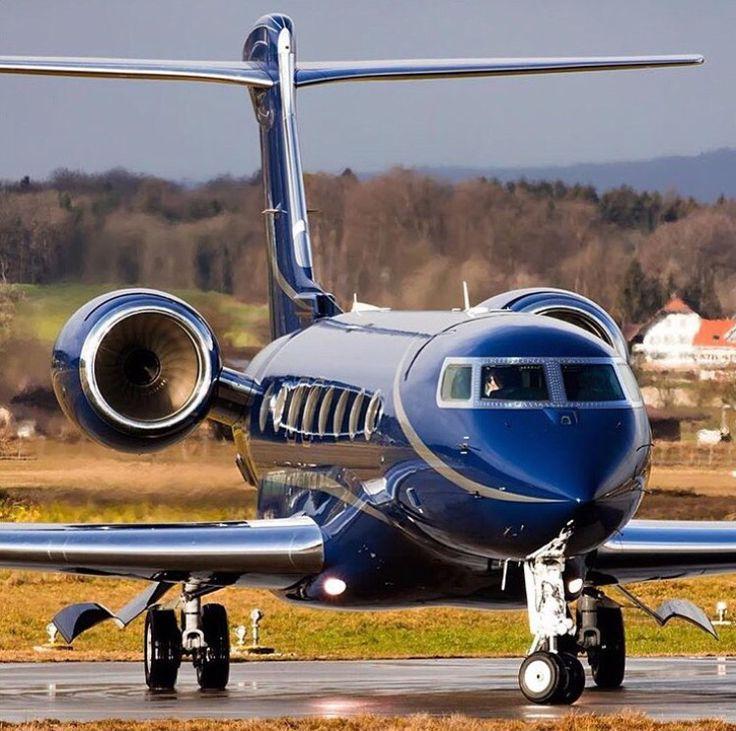
In today’s fast-paced business world, time is one of the most valuable resources. Business owners are constantly seeking efficient ways to maximize productivity, streamline operations, and ensure the smooth flow of their activities. One of the ways companies are accomplishing this is by using private aircraft for business travel. While owning a private jet is often seen as the ultimate symbol of business success, it’s not always the most practical or cost-effective choice for many organizations. Leasing an aircraft, on the other hand, can be an appealing alternative. But like any business decision, there are both pros and cons to consider when it comes to leasing an aircraft. This article will explore the advantages and disadvantages of aircraft leasing for business owners, helping you make an informed decision on whether leasing is the right choice for your company.
The Basics of Aircraft Leasing
Before we dive into the pros and cons, it’s important to understand what aircraft leasing entails. Aircraft leasing is an arrangement where a business rents an aircraft from a leasing company or an aircraft owner for a specified period. This agreement can take various forms, including:
- Operating Lease: This type of lease is the most common and typically lasts for a shorter duration, such as 1 to 5 years. It allows businesses to rent an aircraft without the burden of ownership costs or long-term financial commitment. At the end of the lease term, the lessee has the option to return the aircraft or lease a new one.
- Finance Lease: A finance lease is a more long-term arrangement, generally lasting for several years. This type of lease involves higher monthly payments, but it often includes the option to buy the aircraft at the end of the lease term. A finance lease is a good option for companies that want to eventually own the aircraft but don’t want to pay the full purchase price upfront.
The terms of each lease vary based on the leasing company, the type of aircraft, and the specific needs of the business.
The Pros of Aircraft Leasing for Business Owners
Now, let’s explore some of the key advantages of leasing an aircraft for your business.
1. Cost-Effective Solution
One of the primary reasons business owners opt to lease an aircraft rather than buy one is the lower upfront costs. Purchasing a private jet can cost millions of dollars, with additional expenses such as maintenance, insurance, and crew salaries. In contrast, leasing allows business owners to access a high-end aircraft without making a significant capital investment. This can be especially useful for small to mid-sized businesses that need the flexibility of private air travel without the financial burden of ownership.
Leasing also allows business owners to avoid the ongoing operating costs associated with owning an aircraft. These costs can add up quickly, especially if the aircraft is used frequently. With a lease, the lessee typically only needs to cover the agreed-upon rental fee and operational costs, such as fuel and landing fees. In certain cases, lease agreements can also include maintenance and insurance, further reducing the financial responsibility of the business owner.
2. Flexibility and No Long-Term Commitment
Another key benefit of leasing an aircraft is the flexibility it offers. Lease agreements can be customized based on your business’s needs, allowing you to choose the duration of the lease and the type of aircraft that best suits your travel requirements. Whether you need an aircraft for a few months, a year, or even longer, leasing provides businesses with a solution that is adaptable to changing needs.
Moreover, leasing an aircraft eliminates the long-term commitment that comes with ownership. If your business’s travel requirements change or if you no longer need the aircraft, you can simply return it to the leasing company at the end of the lease term. This can be particularly advantageous for businesses that experience fluctuations in demand for private air travel.
3. Access to a Variety of Aircraft
When leasing an aircraft, business owners have access to a wide range of aircraft types, each suited to different travel needs. For example, if your business frequently travels long distances, you may want to lease a larger, long-range jet. If you only need an aircraft for short regional flights, a smaller jet or turboprop may be more cost-effective. Leasing allows businesses to choose the aircraft that best fits their travel requirements for each trip.
This flexibility is particularly useful for businesses that require different types of aircraft depending on the number of passengers, the distance traveled, or the type of mission (e.g., corporate meetings, client entertainment, or executive retreats). With leasing, you’re not stuck with one aircraft that may not meet your needs at all times, offering you the advantage of a customized solution.
4. Maintenance and Support Are Handled by the Lessor
When you lease an aircraft, the leasing company generally handles the maintenance and support for the aircraft. This means that business owners don’t have to worry about scheduling regular maintenance, hiring technicians, or managing repairs. The leasing company is responsible for keeping the aircraft in good working order, ensuring that it is always ready for use.
In some cases, lease agreements may also include full-service support, which covers additional services like insurance, crew management, and ground handling. By outsourcing these responsibilities to the leasing company, business owners can focus on their core operations without getting bogged down by the logistical details of aircraft management.
5. Tax Benefits and Financial Flexibility
Leasing an aircraft can offer potential tax advantages for businesses. Depending on your jurisdiction, aircraft lease payments may be deductible as a business expense, which can reduce the overall cost of leasing. Additionally, leasing allows businesses to preserve capital and avoid the significant depreciation that comes with owning an aircraft.
Leasing also provides financial flexibility by freeing up capital that can be used for other business needs, such as expansion, marketing, or hiring. This can be especially beneficial for businesses that are looking to invest in growth or innovation while still enjoying the benefits of private air travel.
The Cons of Aircraft Leasing for Business Owners
While there are many benefits to leasing an aircraft, there are also some disadvantages that business owners should consider.
1. Higher Long-Term Costs
Although leasing an aircraft typically involves lower upfront costs compared to ownership, it can lead to higher long-term expenses. Over the duration of the lease, businesses may end up paying more in rental fees than they would have if they had purchased the aircraft outright. Additionally, leases are often structured with higher monthly payments in the early years of the lease, which can strain cash flow for businesses that rely on private air travel for routine operations.
Furthermore, businesses that lease an aircraft for several years may face the risk of paying for the aircraft long after the lease term has ended. This can be particularly costly if the business no longer requires the jet or if their travel needs change.
2. Limited Control and Customization
When leasing an aircraft, business owners have less control over the aircraft than they would if they owned it. While most leasing companies offer a selection of aircraft to choose from, you may not have the ability to customize the interior, design features, or other aspects of the aircraft to match your preferences. Ownership, on the other hand, allows you to fully personalize your jet, from the cabin layout to the onboard amenities.
In addition, business owners who lease an aircraft are subject to the terms of the lease agreement, which may include restrictions on how the aircraft is used or how often it can be flown. This lack of control can be a disadvantage for businesses that require more flexibility in how they use the aircraft.
3. Potential Restrictions on Usage
Leasing agreements often come with specific restrictions regarding the use of the aircraft. For example, there may be limitations on how many hours the aircraft can be flown each month, or the lease may require the lessee to return the aircraft after a certain number of hours. These restrictions can be problematic for businesses that require more frequent or longer flights.
Additionally, businesses that lease aircraft may have to deal with availability issues, especially if the leasing company has a large number of clients. In some cases, there may be scheduling conflicts or delays, which could impact the business’s ability to travel on short notice.
4. No Asset Ownership or Resale Value
One of the downsides of leasing an aircraft is that you do not own the asset. This means that at the end of the lease term, you have no equity in the aircraft, and you cannot sell it to recoup some of the costs. In contrast, when you purchase a private jet, you have the opportunity to sell the aircraft later, potentially recovering part of your initial investment.
For businesses that are looking for a long-term investment in an asset that holds value, leasing may not provide the same benefits as ownership. If you fly frequently and plan to use the aircraft for many years, ownership might be a better option in the long run.
5. Complex Lease Terms and Conditions
Aircraft leasing agreements can be complex and may contain terms that are difficult to understand or negotiate. The terms of the lease, including rental fees, maintenance responsibilities, and other obligations, can vary widely between leasing companies. Business owners must carefully review the lease agreement to ensure that they are getting a fair deal and that they are not being locked into unfavorable conditions.
Conclusion: Is Aircraft Leasing Right for Your Business?
Leasing an aircraft offers numerous advantages, including lower upfront costs, flexibility, access to a variety of aircraft, and reduced responsibility for maintenance. It’s an attractive option for businesses that need private air travel but want to avoid the financial and logistical burdens of ownership. However, leasing also comes with some potential drawbacks, including higher long-term costs, limited control over customization, and restrictions on usage.
Ultimately, the decision to lease or buy an aircraft depends on your business’s specific needs, financial situation, and travel requirements. For businesses that fly infrequently or need flexibility in their travel arrangements, leasing is often the most practical and cost-effective option. However, for companies that require regular private air travel and want more control over their aircraft, ownership may be the better choice. Carefully weighing the pros and cons of both options will help you make the best decision for your business.